How to Value Your Lionel Train Collection: Complete 2026 Appraisal Guide
August 10, 2026
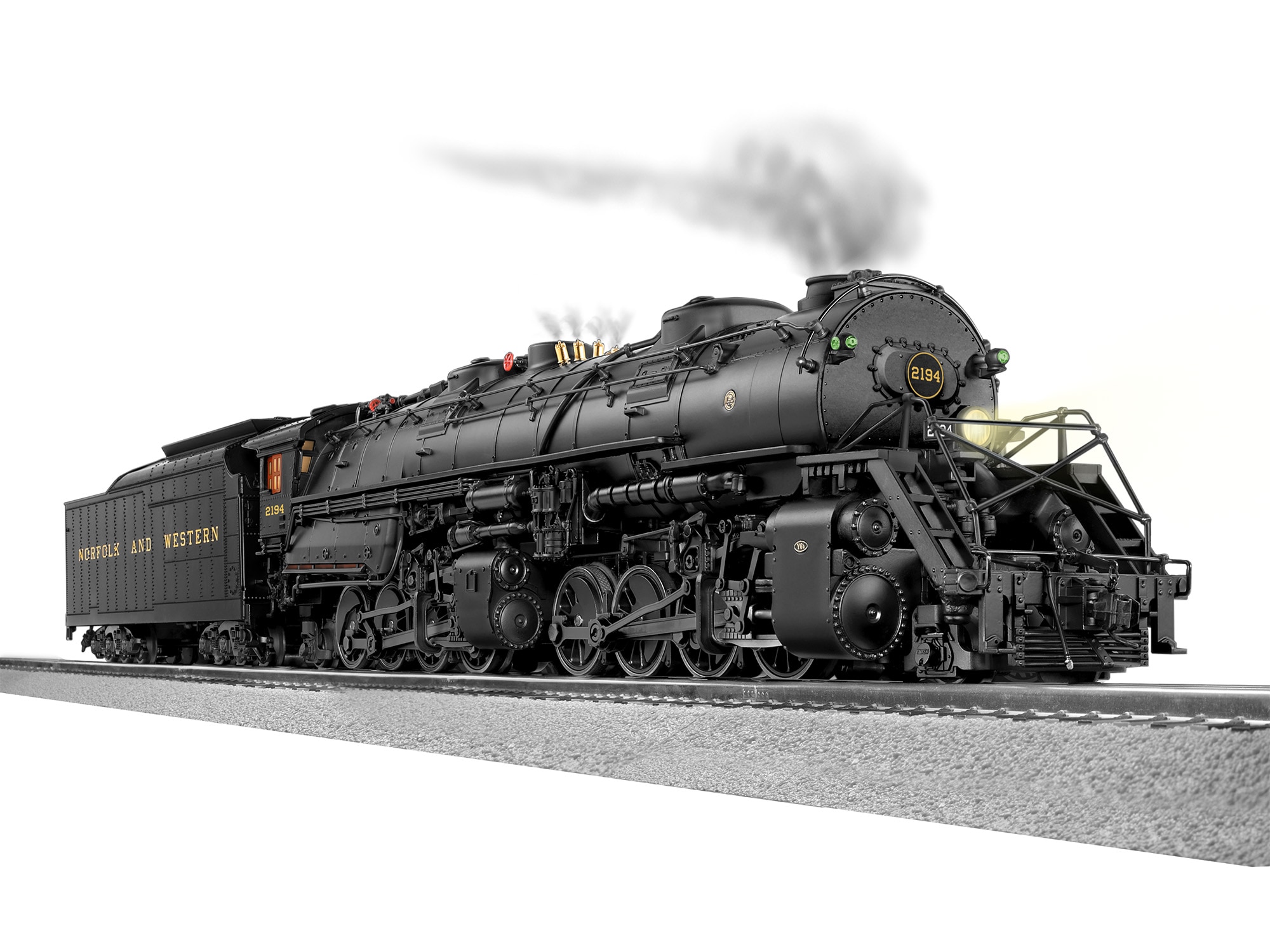
What is your Lionel train collection worth? For collectors sitting on postwar boxes from a parent's basement, modern LEGACY steam bought at retail, or years of accumulated rolling stock, that question matters when planning insurance coverage, selling pieces, updating estate documents, or simply understanding the value of what you have. Lionel valuation isn't guesswork — the market for postwar and modern Lionel is well-documented, prices are actively tracked, and any collection can be valued accurately with the right approach.
This complete 2026 guide walks through how to value your Lionel train collection: what determines value, where to find current market prices, how condition grading works, what documentation matters, when to use a professional appraiser versus self-appraisal, and how to build a defensible collection valuation you can use for insurance, sale, or estate purposes.

Why Valuing Your Lionel Collection Matters
Lionel collections are frequently more valuable than owners realize. A single postwar 726 Berkshire in good original condition can command $500-$800. A Standard Gauge Blue Comet passenger set can exceed $3,000. Modern LEGACY steam locomotives held in original boxes maintain 70-90% of retail value for years after purchase. Accumulated over decades, even modest collections often total $5,000-$25,000+; serious collectors regularly hold $50,000-$200,000+ in trains.
Accurate valuation matters for four scenarios:
Insurance: Homeowners insurance typically caps collectibles coverage at $1,500-$2,500 total unless you schedule specific items or add a collectibles rider. Without documented values, you can't get proper coverage. For the full insurance workflow, see our Lionel collection insurance guide.
Sale planning: Whether liquidating the whole collection or selling individual pieces, you need accurate values to set reserves, price for negotiation, and know when to accept an offer.
Estate planning: Trains in an estate need documented valuations for probate, tax purposes, and equitable distribution among heirs. Undervalued estate collections cost families thousands.
Portfolio understanding: Serious collectors treat trains as an asset class. Knowing what you own, what it's worth, and how values are trending informs buying and selling decisions.
What Determines Lionel Value
Every Lionel piece is valued on five factors. Understanding each is the foundation of accurate appraisal.
1. Era and Manufacturer
Lionel has produced trains in distinct eras, each with different collector followings and value patterns:
Prewar (1900-1942): Standard Gauge and O-gauge from Lionel's early decades. Standard Gauge pieces (Blue Comet, State Set, No. 400E) command premium prices — often $500-$5,000+ for individual pieces in good condition. Prewar O-gauge is more affordable but still valuable.
Postwar (1945-1969): The Lionel golden era. Postwar production defines the collector market. Common pieces like 2026 steam or 6014 boxcars run $30-$100; rare pieces like 726 Berkshires, 2360 GG1s, and 773 Hudsons command $300-$1,500+. The 6464 boxcar series is a collector category unto itself with individual variants ranging from $30 to $500+.
Modern (MPC 1970-1986): Lionel produced by Model Products Corporation. Generally lower values than postwar but growing collector interest for scarce items.
LTI (1986-1995): Lionel Trains Inc. era. Values variable — quality issues in some periods depressed collector interest, though specific pieces have strong followings.
Modern LEGACY/LionChief (2000-present): Current production. LEGACY steam locomotives typically hold 70-90% of retail value for 5-10 years after production ends. LionChief pieces depreciate faster but hold value better than train-set toys from competitors.
2. Condition
Condition is the single largest value multiplier. The same piece can vary 3x-5x in price based on condition alone.
The standard collector grading system:
Mint (M): Perfect condition, unused, in original box with all inserts and paperwork. Commands 100% of catalog value.
Like New (LN): Very slight signs of use, complete with original box. 85-95% of Mint value.
Excellent (Exc): Minor use signs, minor paint wear, complete. 70-80% of Mint value.
Very Good (VG): Obvious use, minor paint chipping, generally complete. 50-65% of Mint value.
Good (G): Heavy use, significant paint wear, may be missing minor parts. 35-45% of Mint value.
Fair (F): Very worn, may have significant issues. 20-30% of Mint value.
Poor (P): Damaged, incomplete, parts value only. 10-15% of Mint value.
3. Original Box and Paperwork
Original boxes matter enormously for Lionel valuation. A postwar locomotive without its original box is worth roughly 60-70% of the same piece with box. A modern LEGACY locomotive without box may be 70-80% of boxed value.
Box condition matters too. Original boxes in Excellent condition (minor wear, all flaps intact, original inserts present) command full box premium. Boxes with significant damage, missing flaps, or written-on surfaces reduce that premium.
Original paperwork (instruction sheets, service manuals, warranty cards) adds another 5-10% to value on completeness-focused collectors.
4. Rarity and Variation
Within any Lionel production run, variations exist. The 6464 boxcar series is famously variable — some road names were produced in tens of thousands, others in just a few hundred. Color variations, lettering variations, and roadname variations can create 10x price differences between apparent duplicates.
Standard references (Greenberg's Lionel guides, TCA's Standards Committee documentation) identify significant variations. Serious appraisal requires cross-referencing your specific piece against variation guides.
5. Current Market Demand
Lionel values shift with collector interest and market conditions. Some patterns from recent market activity:
Postwar rare items (773 Hudson, 2360 GG1 variations, 6464 rarities) have appreciated 30-50% over the past five years as collector demographics stabilize.
Modern LEGACY steam has held value well as production runs decrease and OEM parts availability tightens.
MPC and early LTI era pieces have generally depreciated as newer collectors focus on postwar or current LEGACY.
Standard Gauge remains a specialty market with strong prices for premium pieces but limited demand for common items.
How to Value Your Collection: Step-by-Step
Here's the practical valuation workflow for any Lionel collection:
Step 1: Complete Inventory
Document every piece. For each locomotive, car, or accessory record:
Catalog number: Lionel's four to seven digit catalog number, usually printed on the box or the piece itself.
Description: Full description including roadname, road number, and any distinguishing features.
Era: Prewar, Postwar, MPC, LTI, or Modern.
Condition: Your grading assessment using the M through P scale above.
Box status: Original box present? Condition?
Notes: Any damage, modifications, missing parts.
Spreadsheet works well. So do dedicated inventory apps. The goal is a complete list you can reference against value guides.
Step 2: Consult Standard References
The Lionel collector market has established price guides:
Greenberg's Guide to Lionel Trains: The definitive reference for postwar Lionel. Multiple volumes cover locomotives, rolling stock, accessories, and Standard Gauge. Updated periodically with current market values. Available new and used through hobby dealers and online booksellers.
TCA Guide: Train Collectors Association publications document specific pieces with authoritative variation identification.
Lionel Collector's Club Publications: LCCA member publications cover current market activity and variation research.
These references establish baseline values against which market activity can be compared.
Step 3: Check Current Market Activity
Reference guides establish baseline values, but current market activity determines what pieces actually sell for:
eBay Sold Listings: The single most important market data source. Search for your specific piece, then filter to "Sold Items" to see what buyers actually paid. Check the last 90 days for current pricing; check 12 months of history for trends. Cross-reference multiple sales to establish a range rather than a single point.
Auction House Results: Major auction houses (Stout Auctions, Lloyd Ralston Toys, various regional auctioneers) publish results online. Higher-end pieces frequently sell through auction rather than eBay, so auction results provide critical data for premium items.
Dealer Retail Pricing: Established dealers (Charles Ro, Trainland, Nicholas Smith Trains) publish retail pricing that establishes upper-end market values for pieces in dealer-grade condition.
Show Pricing: Prices at train shows (York, Springfield, regional TCA meets) represent active collector market and often provide better data than internet-only sources.
Step 4: Adjust for Condition
Once you have a market value estimate, adjust for your specific piece's condition using the grading percentages above. A piece cataloged at $500 in Mint condition is worth roughly $300-$350 in Very Good condition, $200-$225 in Good condition.
Step 5: Document Everything
Your final valuation isn't just a number — it's a defensible document. For each piece, record:
The value estimate: The dollar figure you've assigned.
The basis: Which reference or market data supported the number.
The date: When you did the valuation. Values change; recent dates matter.
Supporting comparables: Screenshots of eBay sold listings or auction records that established the value.
Photos: Current photos of the piece showing condition. Multiple angles, close-ups of any damage or variations, and photos of the box if present.
When to Use a Professional Appraiser
Self-appraisal works for most collections and most purposes. Use a professional appraiser when:
Insurance requires it: Some policies require professionally-documented appraisals above certain value thresholds ($10,000, $25,000, $50,000).
Estate probate requires it: Larger estates may require formal appraisal for tax purposes.
Divorce or partnership dissolution: Legal proceedings often require formal appraisal documentation.
Very high value pieces: Standard Gauge premium items, rare postwar variations, and Vision Line signature pieces may benefit from expert evaluation.
Complex or unusual collections: Collections with many rare items, unusual variations, or pieces requiring authentication benefit from expert eyes.
Professional Lionel appraisers can be found through TCA member directories, established dealers, or auction houses. Fees typically range from $75-$200 per hour or a percentage of total appraised value. Get quotes from multiple appraisers for larger collections.
Common Valuation Mistakes
Avoid these frequent errors:
Using retail catalog values without adjustment. Catalog values reflect Mint retail pricing. Real collections rarely contain Mint pieces. Discount aggressively for actual condition.
Ignoring box condition and completeness. A boxed pristine piece can be worth 40% more than the same piece without its original box. Never value trains ignoring their boxes.
Failing to identify variations. Two apparently identical pieces can have wildly different values based on paint variation, lettering variation, or manufacturing variations. Cross-reference against variation guides.
Old market data. Lionel values shift. A 2018 price guide reflects 2016-2017 market conditions. Use current market data (last 90 days on eBay, current dealer pricing, current auction results) for accurate valuation.
Emotional valuation. Sentimental value doesn't equal market value. The engine you grew up with is not worth more to a buyer than an identical engine from any other seller. Value what buyers pay, not what pieces mean to you.
Updating Your Valuation
A valuation is a snapshot in time. Update it regularly:
Annually for insurance purposes. Values shift, and insurance coverage should track current values. Many collectibles insurers require re-valuation every 3-5 years.
Before major decisions. Selling a piece, adding to a collection, or making estate decisions all warrant updated valuations.
After major market events. Major auctions, new price guide releases, or shifts in collector demographics all can change values.
Frequently Asked Questions
How much is a Lionel train collection worth on average?
Lionel collections vary widely in value. Beginning collections may be worth $500-$2,000. Established collections typically range $5,000-$25,000. Serious collector collections often exceed $50,000, with premium collections reaching $100,000-$500,000+ for rare postwar, Standard Gauge, or extensive modern LEGACY inventories.
What is the most valuable Lionel train?
The most valuable Lionel pieces are typically Standard Gauge premium items (No. 400E in original green, State Set variations, Blue Comet passenger sets) and rare postwar variations (specific 773 Hudson variants, rare 2360 GG1 variations, unusual 6464 boxcar variations). Top-tier pieces can command $5,000-$25,000+ each. Modern Vision Line signature pieces have also achieved $2,000-$5,000+ at auction.
Is Lionel value going up or down?
Lionel value trends vary by era and specific piece. Rare postwar items have generally appreciated 30-50% over the past five years. Modern LEGACY steam holds value well. MPC and early LTI era pieces have generally depreciated. Common postwar items (2026 steam, standard 6014 boxcars) have stayed flat or declined slightly with generational collector shifts.
Where can I sell my Lionel collection?
Established venues include eBay (largest market, best for typical pieces), major auction houses (Stout, Lloyd Ralston, others for higher-end pieces), established Lionel dealers (Charles Ro, Trainland, Nicholas Smith), TCA member classifieds, train show tables (York, Springfield, regional TCA events), and dedicated Facebook groups for O-gauge trading. Different venues suit different collection types — high-end items typically go to auction, common items sell better through eBay or shows.
How do I know if my Lionel piece is rare?
Cross-reference against Greenberg's Guide and TCA variation documentation. Rarity indicators include: limited production years, unusual colors or paint schemes, unusual roadnames, distinctive lettering variations, and factory errors or transitional variations. When in doubt, post detailed photos to established collector forums (OGR Forums, Trainorders) for community identification.
Verdict
Valuing a Lionel train collection isn't complicated, but it does require systematic work. Complete inventory, standard reference cross-check, current market data, condition-adjusted values, and documentation combine into a defensible appraisal that supports insurance, sale, estate, or portfolio decisions. Most collectors can self-appraise with the workflow above; professional appraisal makes sense for premium collections, high-value individual pieces, or situations where formal documentation is required. For related collector guidance, see our hard-to-find Lionel sourcing playbook, our postwar vs modern collecting guide, and our eBay photography guide for maximizing sale prices when you're ready to move pieces.
Newsletter
Weekly O-gauge tips & reviews
New reviews, layout ideas, and hobby news — straight to your inbox.