Lionel Vision Line vs LEGACY: What's the Difference in 2026?
August 24, 2026
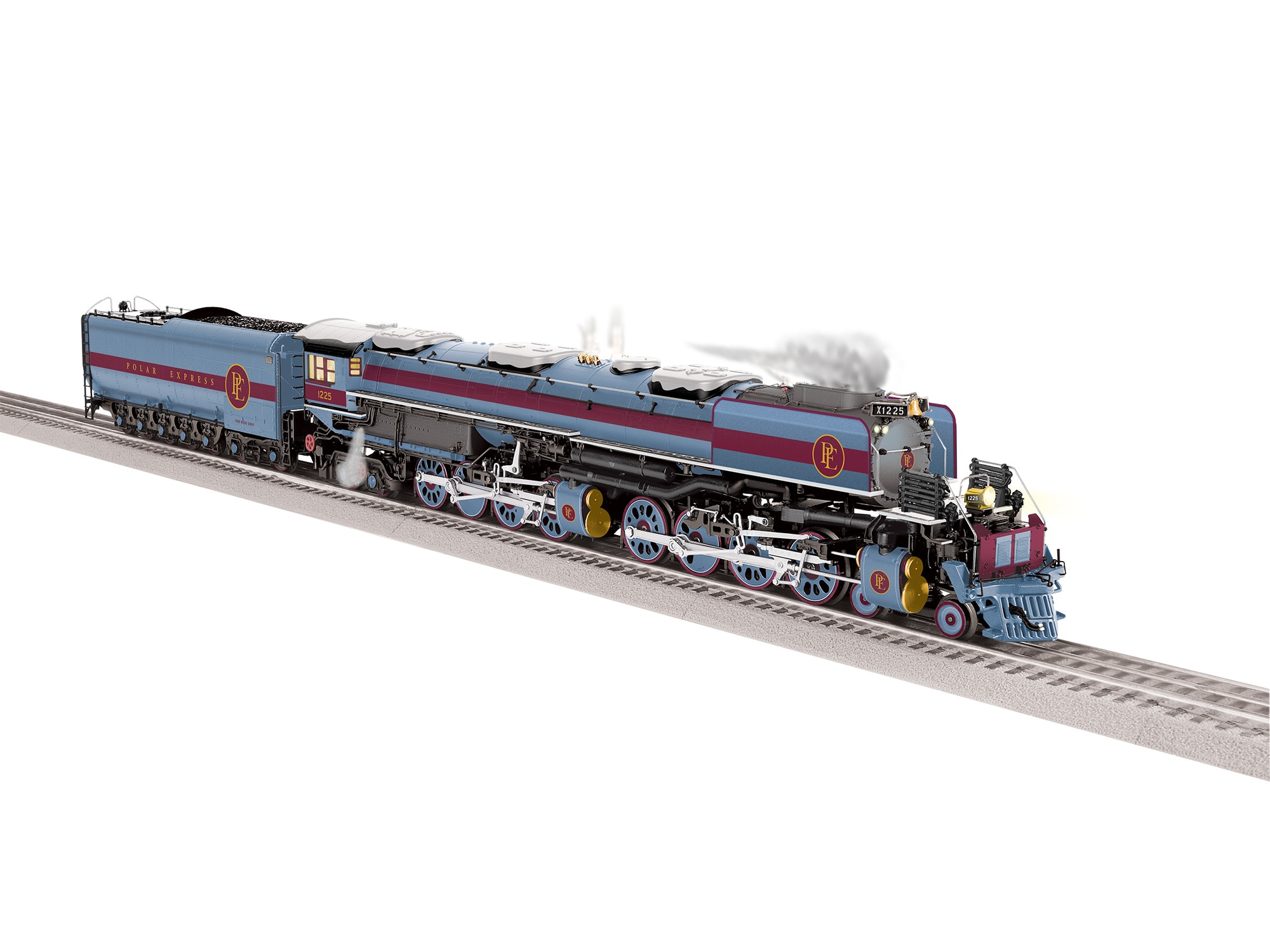
What's the difference between Lionel Vision Line and Lionel LEGACY? For any O-gauge collector shopping premium Lionel in 2026, this is one of the most confusing questions in the hobby. Both tiers are Lionel's top-of-the-line offerings, both use LEGACY command control, both feature RailSounds 5.0 audio, and both carry premium pricing — but Vision Line pieces routinely cost 2-3x more than comparable LEGACY pieces. Understanding what you actually get for that price premium determines whether Vision Line is worth it for your collecting.
This complete 2026 guide walks through the specific differences between Vision Line and LEGACY: construction, detail, features, availability, pricing, and long-term value. By the end you'll know exactly when Vision Line makes sense — and when standard LEGACY delivers 90% of the experience at 40% of the price.
Vision Line and LEGACY Both Use LEGACY Command
First: the naming is genuinely confusing. Vision Line uses LEGACY command control. Both tiers speak the same command language. Both work with the same CAB-2 controller and LEGACY app. Both use RailSounds 5.0 audio, ElectroCoupler couplers, and programmable momentum.
The differences are in construction quality, feature depth, and production philosophy — not in the command control system.
What Vision Line Actually Is
Vision Line is Lionel's ultra-premium signature production tier. Started in 2005 to bring museum-quality construction to O-gauge, Vision Line pieces are limited-production, individually numbered signature offerings that represent the absolute peak of what Lionel can produce.
Key Vision Line characteristics:
1. Signature-level construction with brass detail parts throughout
2. Individually numbered production (each piece has its own serial number)
3. Small production runs (typically 500-2,000 pieces per road name)
4. Premium materials (brass detail, cast metal frames, machined components)
5. Extended sound feature sets beyond standard RailSounds 5.0
6. Premium packaging (wooden or premium presentation boxes)
7. Signature documentation (numbered certificates, collector information)
8. Extended warranty support
What Standard LEGACY Is
Standard LEGACY is Lionel's premium production tier — excellent quality, full command control, scale-detail construction, but produced in larger quantities without the signature-level premium materials.
Key LEGACY characteristics:
1. Scale-detail construction with separately applied plastic detail parts
2. Standard production runs (typically 2,500-8,000+ pieces per road name)
3. Die-cast metal body construction for weight and durability
4. Full RailSounds 5.0 audio
5. Standard LEGACY packaging
6. Standard warranty support
Detail Work Comparison
The biggest visual difference between Vision Line and LEGACY is in detail work.
Vision Line detail: Brass detail parts throughout — handrails, grab irons, whistle, bell, pipe work, marker lights, running board detail. Brass gives a distinctive appearance that plastic can't match. Individual parts are often hand-fitted rather than press-fitted. Paint work approaches museum quality.
LEGACY detail: Plastic separately applied detail parts. Excellent by any standard — grab irons, handrails, marker lights, pipe work are all separate parts. Detail is scale-accurate and paint work is excellent. Just not the brass-and-hand-finish level of Vision Line.
Practical difference: Under normal viewing distance, both tiers look excellent. Close inspection reveals Vision Line's premium materials — brass reflects light differently than painted plastic, and the individual hand-fitting creates subtle detail variations that mass production can't reproduce.
Sound Features Comparison
Both tiers use RailSounds 5.0, but Vision Line adds premium sound features.
Standard LEGACY sound: Full RailSounds 5.0 with prime mover audio, notch changes, horn/whistle, bell, air brake sounds, coupler slack, brake squeal, dynamic braking (on modern diesels).
Vision Line sound additions: Extended sound library with additional prototype-specific effects. Some Vision Line steam pieces include cab conversations between engineer and fireman. Vision Line diesels may include specific traction motor howl accurate to the prototype. Custom horn/whistle samples recorded from specific real locomotives rather than generic prime mover samples.
Practical difference: Standard LEGACY sound is genuinely excellent. Vision Line sound adds prototype-specific depth that connoisseurs appreciate but casual operators may not notice.
Materials and Construction
Vision Line construction: Die-cast metal bodies with brass and machined metal detail parts. Individual production run limits mean each piece receives more assembly attention than mass-produced items. Weight is substantial — Vision Line pieces feel dense.
LEGACY construction: Die-cast metal bodies with plastic separately applied detail parts. Mass-production assembly. Still substantial weight but noticeably lighter than Vision Line equivalents due to plastic detail parts.
Pricing Comparison
Direct price comparison for equivalent prototypes:
Big Boy 4-8-8-4:
Vision Line Big Boy: $2,499-$3,499 depending on paint scheme and features
Standard LEGACY Big Boy: $1,499-$1,999 (when produced)
Union Pacific FEF Northern 4-8-4:
Vision Line: $2,299-$2,899
Standard LEGACY: $1,299-$1,699
N&W Y6b 2-8-8-2:
Vision Line: $2,199-$2,699
Standard LEGACY: $1,299-$1,599
Cost multiplier: Vision Line pieces typically cost 1.5x-2x their standard LEGACY equivalents. In some cases (particularly signature-level Vision Line with brass and custom features) the multiplier reaches 2.5x.
Availability Comparison
Vision Line availability: Very limited. Production runs sell out fast — often on preorder before pieces ship. Available new only through Lionel-authorized dealers with reservation lists. Once produced, Vision Line pieces disappear from active retail within months.
LEGACY availability: Broader current availability. LEGACY pieces stay in retail rotation for longer, and Lionel dealers stock more units. Used market has significantly more LEGACY inventory than Vision Line.
Practical impact: Buying Vision Line requires proactive engagement with Lionel dealers and reservation systems. Waiting for casual availability rarely works. LEGACY can be purchased on impulse from retail dealers.
Value Retention Comparison
Both tiers hold value well, but differently:
Vision Line: Small production + individually numbered + signature status = strong long-term appreciation for specific pieces. Original run of Vision Line Big Boy has appreciated 40-70% over 10-15 years on the secondary market. Rare paint schemes and low serial numbers appreciate faster.
LEGACY: Retains 70-90% of retail for 5-10 years after production. Longer term, values depend on prototype popularity — some LEGACY steam appreciates, some depreciates slightly. Rare road names appreciate consistently.
Investment perspective: Vision Line is meaningfully better as a collectible investment. LEGACY is better as an operating locomotive at reasonable price. Both approaches are valid.
Which Tier for Which Collector
Choose Vision Line if:
You are a serious collector building signature-level inventory
You value brass detail and museum-quality construction
You want individually numbered pieces with certificates
You plan to hold pieces long-term as collectible investments
You engage actively with Lionel dealers and reservation systems
You have the budget for $2,000-$3,500 per locomotive
Choose standard LEGACY if:
You are an operator building a working fleet for regular running
You value great detail without needing museum-quality brass
You want current-production LEGACY features (RailSounds 5.0, ElectroCoupler)
You want broader prototype selection at reasonable prices
You prefer $1,000-$1,700 per locomotive pricing
Own both if:
You are a comprehensive collector with substantial hobby budget. Own Vision Line hero pieces for premium display and standard LEGACY for regular operations. This is common among serious collectors — a Vision Line Big Boy for display and standard LEGACY diesels for daily running.
Vision Line Product Categories
Vision Line has covered specific product categories over the years:
Vision Line Big Boy (multiple releases): The flagship Vision Line steam. Available in multiple paint schemes and road numbers over the years. UP heritage variations, coal-fired and oil-fired variations.
Vision Line Challenger: UP Challenger 4-6-6-4 articulated in signature construction.
Vision Line Northern: Various 4-8-4 Northern prototypes including UP FEF, Milwaukee Road F-7, and N&W J-class.
Vision Line PRR T1 Duplex: The unusual 4-4-4-4 Pennsylvania T1 duplex in Vision Line construction.
Vision Line NYC Hudson (J-3a): The famous NYC lightning-striped Hudson in Vision Line construction with premium detail.
Vision Line select diesels: Occasional Vision Line diesel releases including specific F-unit road names and premium modern diesels.
Standard LEGACY Product Categories
Standard LEGACY has vastly broader coverage:
Steam: Every major American steam prototype — Big Boy, Challenger, Northern, Hudson, Berkshire, Mikado, Consolidation, Pacific, Mountain, Duplex, Y-class articulated. Multiple road names for each prototype.
Diesel: Extensive modern diesel coverage — GP38, GP60, SD40, SD70 series, ES44 series, GEVO. F-units, RS-series, and specialty diesels. Multiple Class 1 and secondary road names.
Passenger: Wide LEGACY passenger car selection paired with LEGACY passenger locomotives.
Standard LEGACY covers roughly 20-30x the prototype variety of Vision Line.
Common Buyer Mistakes
Buying Vision Line for casual operation. Vision Line pieces are designed for premium display and occasional operation. Using them as daily operators wastes the premium construction and risks damaging brass detail parts.
Buying standard LEGACY when you wanted Vision Line construction. If you'll be disappointed by plastic detail parts vs brass, save up and buy Vision Line rather than settling for LEGACY.
Waiting to buy Vision Line. Vision Line production runs sell out fast. If a prototype interests you, reserve on preorder — waiting for retail availability rarely works.
Ignoring the collector market. Vision Line pieces from earlier production runs are often available on secondary market at prices similar to current retail. Sometimes better values exist there than in current production.
Frequently Asked Questions
Is Vision Line worth the premium over LEGACY?
For collectors focused on premium display and long-term value, yes. Brass construction, individually numbered pieces, and signature status justify the premium for serious collectors. For operators focused on running trains, standard LEGACY delivers 90% of the experience at 40-50% of the price.
Can Vision Line and LEGACY operate on the same layout?
Yes. Both tiers use LEGACY command control and standard three-rail track. Vision Line pieces operate identically to standard LEGACY from a command perspective. Many collectors run mixed fleets.
How often does Lionel release new Vision Line?
Typically 2-4 Vision Line locomotive releases per year across all prototypes. Rare years may see fewer. Some prototype categories (Big Boy, Challenger) get periodic re-releases in new paint schemes; others are one-time production runs.
Should I buy Vision Line new or used?
Depends on the specific piece. Some Vision Line has appreciated on secondary market — new production is the better value there. Other Vision Line has depreciated slightly — used market offers better values. Research specific piece values before committing to either channel.
What's the biggest difference between Vision Line and standard LEGACY?
Construction materials and production philosophy. Vision Line uses brass and premium materials in small production runs with individual serialization. Standard LEGACY uses plastic detail parts in larger production runs. Both use the same LEGACY command control and RailSounds 5.0 audio.
Verdict
Vision Line and LEGACY serve different collectors within the Lionel premium ecosystem. Vision Line is signature-level construction with brass detail, individual serialization, and small production runs — the choice for serious collectors focused on display and long-term appreciation. Standard LEGACY is excellent premium construction with scale detail and full command control at meaningfully lower prices — the choice for operators and collectors building working fleets. Both are legitimate Lionel purchases at their respective price points. For related tier guidance, see our Lionel tier comparison guide, our TMCC vs LEGACY comparison, and our Lionel valuation guide.
Newsletter
Weekly O-gauge tips & reviews
New reviews, layout ideas, and hobby news — straight to your inbox.