locomotivesVision Linebuying guideproduct reviewpremium modelslayout planning
Lionel Vision Line Review: Are the Premium Locomotives Worth the Price?
March 17, 2026
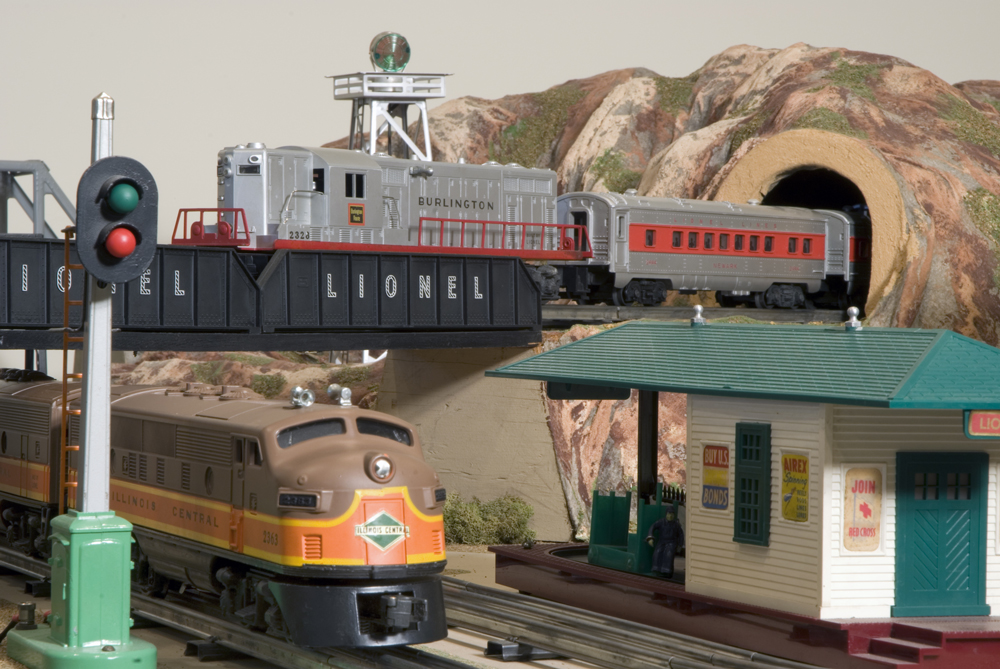
Lionel's Vision Line represents the pinnacle of the company's locomotive engineering, featuring cutting-edge technology and exceptional detail. But with price tags that can exceed $500 per engine, many enthusiasts wonder if these premium models are truly worth the investment. After extensive testing and comparison with standard Lionel offerings, we've compiled this comprehensive review to help you make an informed decision.
The most striking feature of Vision Line locomotives is their sophisticated control system and operational realism. These engines utilize Lionel's latest digital command technology, allowing for precise speed control, independent horn and bell operation, and synchronized smoke effects. Traditional Lionel locomotives offer basic transformer control, while Vision Line engines respond to multiple command options, including remote controls and smartphone apps on compatible systems. If you've grown frustrated with the on-off nature of conventional controls, Vision Line's smooth acceleration and realistic speed variation will feel revolutionary.
Detail quality is another area where Vision Line excels. The paint applications are noticeably crisper, weathering effects look more authentic, and the mechanical components are constructed to higher tolerances. Coupling mechanisms engage more smoothly, wheels roll with less resistance, and the overall build quality suggests these engines will outlast several generations of traditional Lionel locomotives. For collectors who appreciate fine craftsmanship, this attention to detail justifies much of the premium cost.
However, practical performance must be considered alongside aesthetics. Vision Line locomotives pull comparable consist weights to well-maintained standard engines. They don't climb grades faster or navigate tight curves better. Where they truly shine is in smooth operation and consistency—pulling power remains steady throughout the run, acceleration is controllable, and performance remains reliable season after season. If you run extended operating sessions or complex switching operations, this reliability becomes invaluable.
The real question is your specific use case. For casual operators who run trains occasionally with basic controls, a standard Lionel locomotive will provide satisfying service at half the cost. You'll enjoy realistic operation and respectable detail without the premium expense. However, if you're building a sophisticated layout with command control capability, operating multiple trains simultaneously, or prioritizing long-term durability and maintenance-free performance, Vision Line engines justify their premium pricing.
Consider also your growth trajectory. Purchasing one Vision Line locomotive as a test piece makes sense before committing to multiple units. The compatibility with existing standard gauge track means you can gradually transition your roster to Vision Line while maintaining your current collection. Many enthusiasts find that mixing Vision Line and traditional engines works perfectly—using premium models for showpiece consists while standard engines handle switching and yard operations.
Our verdict: Vision Line locomotives represent genuine engineering advancement, not merely inflated pricing. They're worth the investment for operators who will utilize their advanced features and appreciate their superior construction. However, they're not essential for enjoying Lionel trains. Evaluate your layout's sophistication, your operational preferences, and your long-term commitment to the hobby. For the right operator, Vision Line engines deliver premium value that extends far beyond their initial purchase price.