weatheringo-gaugerolling-stocktips
How to Weather O-Gauge Rolling Stock
February 28, 2026
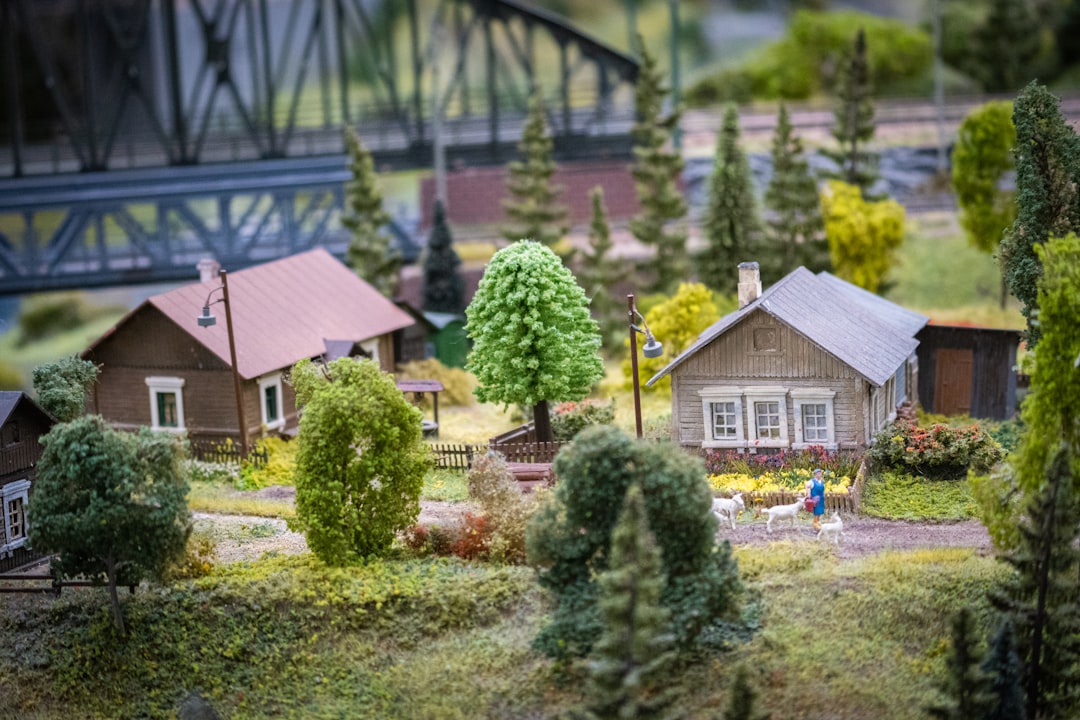
Weathering your O-gauge rolling stock is one of the most rewarding ways to bring realism and character to your Lionel train collection. A brand new freight car rolling down the track looks impressive, but nothing captures the authentic feel of a working railroad quite like equipment that shows genuine wear and age. Whether you're modeling a modern shortline or a classic railroad from decades past, learning proper weathering techniques will elevate your layout from good to truly exceptional.
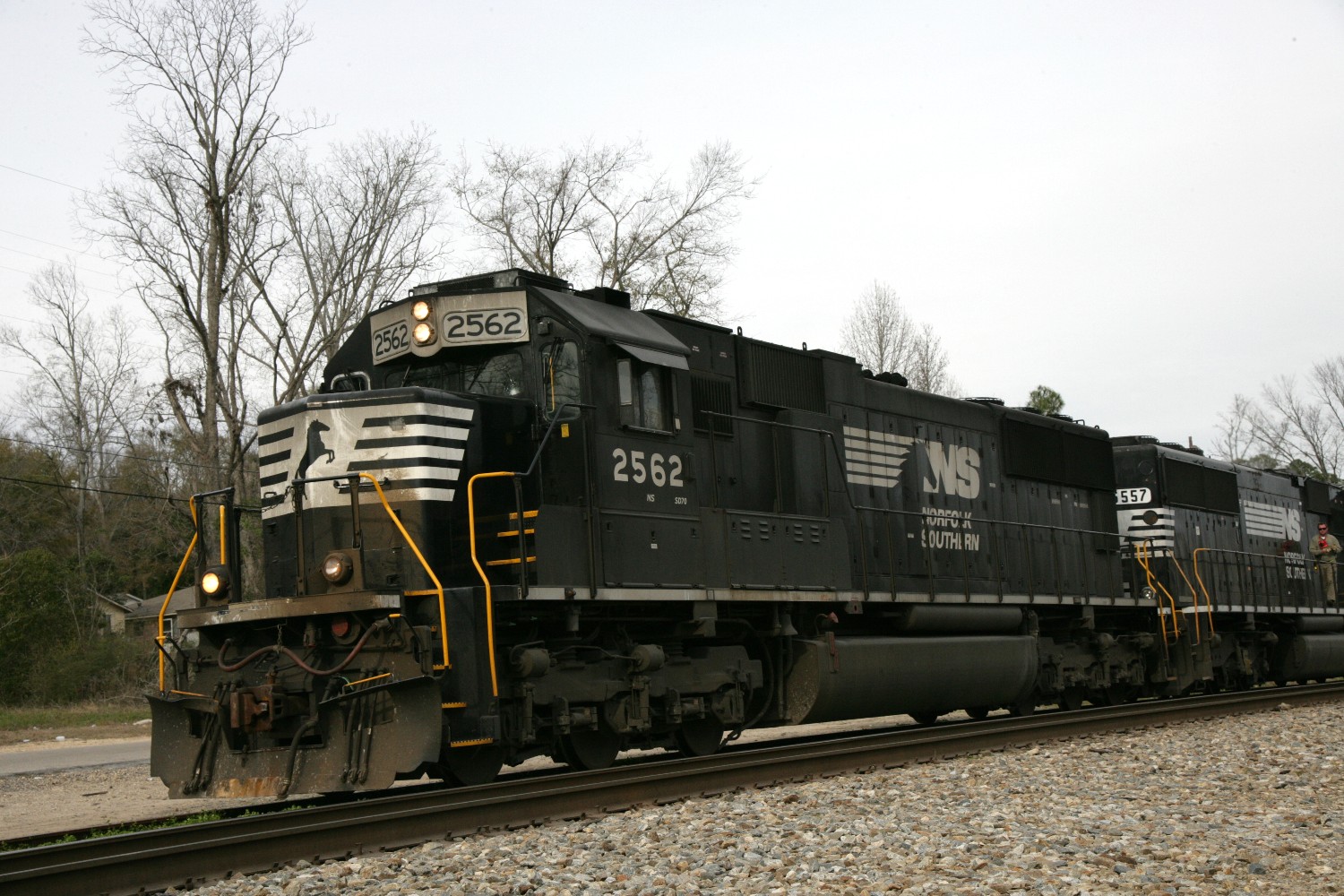
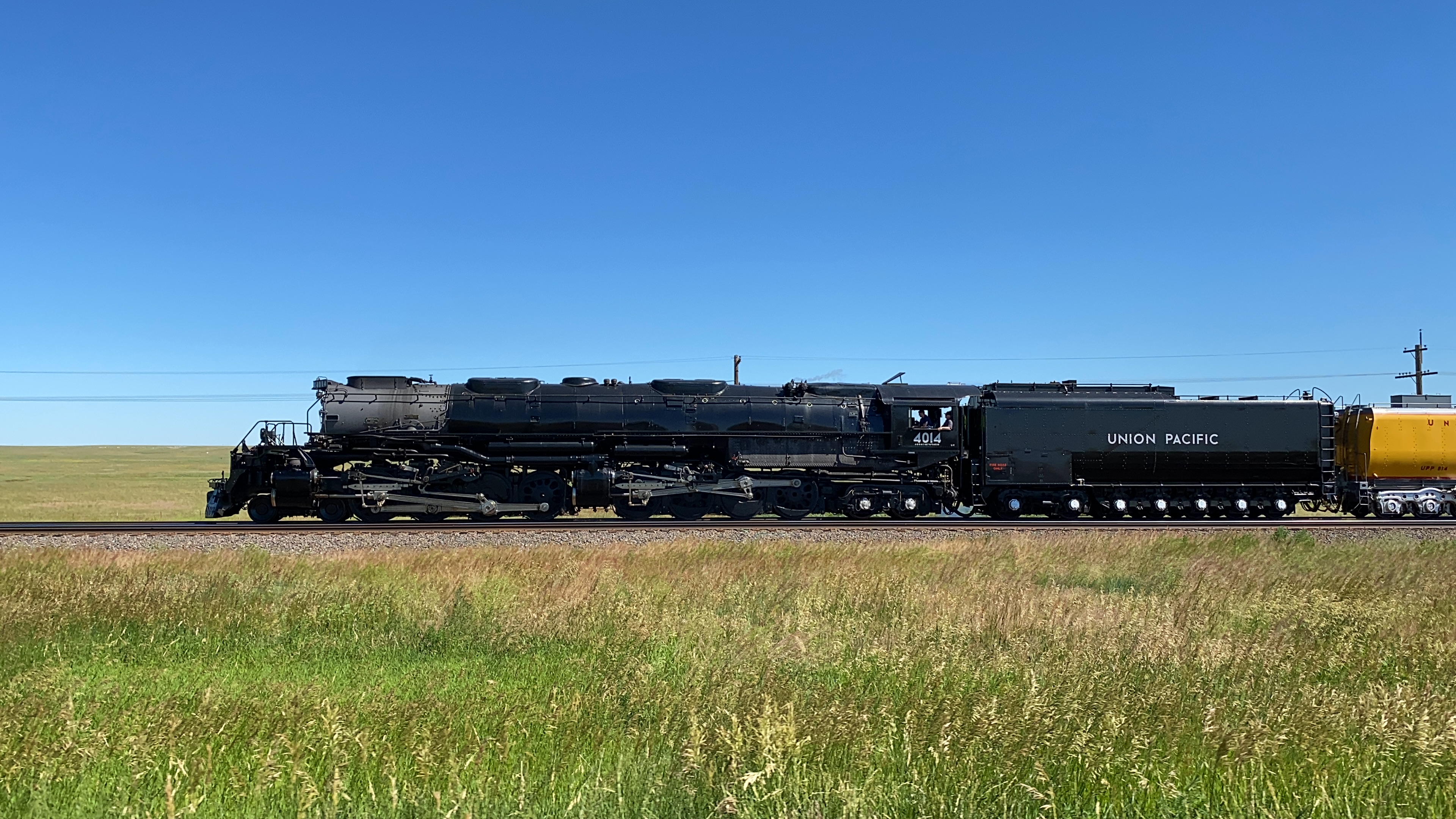
The first step in weathering any piece of rolling stock is to understand what you're trying to replicate. Real freight cars and passenger cars accumulate dirt, grime, rust, and fading from years of exposure to the elements and constant use. Steel cars develop rust stains below seams and around rivets. Painted surfaces fade unevenly, with sun-exposed areas becoming noticeably lighter than protected spots. Grease and oil from wheel bearings and couplers stain the undercarriage. Taking time to observe real railroads or studying prototype photographs will give you invaluable reference material for your weathering work.
Start with a quality model train weathering kit that includes appropriate pigments, washes, and application tools. Weathering powders are incredibly effective for O-gauge work because they're forgiving, easy to blend, and can be removed or adjusted if you make mistakes. Earth tones, grays, blacks, and rust colors form the foundation of any realistic weathering palette. Start light and build up gradually rather than applying too much color at once, which is one of the biggest mistakes beginners make.
Before applying weathering, consider the specific purpose and history of your car. Grain hoppers should show dust accumulation and fading from sun exposure. Tank cars might display rust streaks and weathered lettering. Reefers often reveal decades of paint fading and patching. Stock cars tell stories through accumulated grime and rust. Each car type weathers differently based on its operational purpose and age. This is why studying your O gauge rolling stock options and their historical context matters so much.
Apply weathering in layers using brushes, sponges, or cotton swabs, depending on the effect you want. Dry brushing creates streaks and fading, while sponge stippling produces texture and grime accumulation. Washes settle into recesses and panel lines naturally, enhancing detail. Pay special attention to the underframe, couplers, and trucks, which accumulate the most realistic dirt on actual equipment. Don't forget the roof if your car design allows visibility, and consider fading the lettering slightly for added authenticity.
The secret to convincing weathering is restraint and variety. Avoid making all your cars look identical in their weathering patterns. Some should show light aging, others heavy weathering, creating a diverse consist that looks like it's been in actual service. Step back frequently to assess your work from normal viewing distance, as effects that seem heavy up close often look perfect from across the room.
With patience and practice, your weathered rolling stock will transform your entire layout into something that captures the gritty reality of railroad operations. Your collection will tell stories of hard work and honest service, making every run more immersive and enjoyable.