How to Maintain and Lubricate Your Lionel O-Gauge Locomotives
March 9, 2026
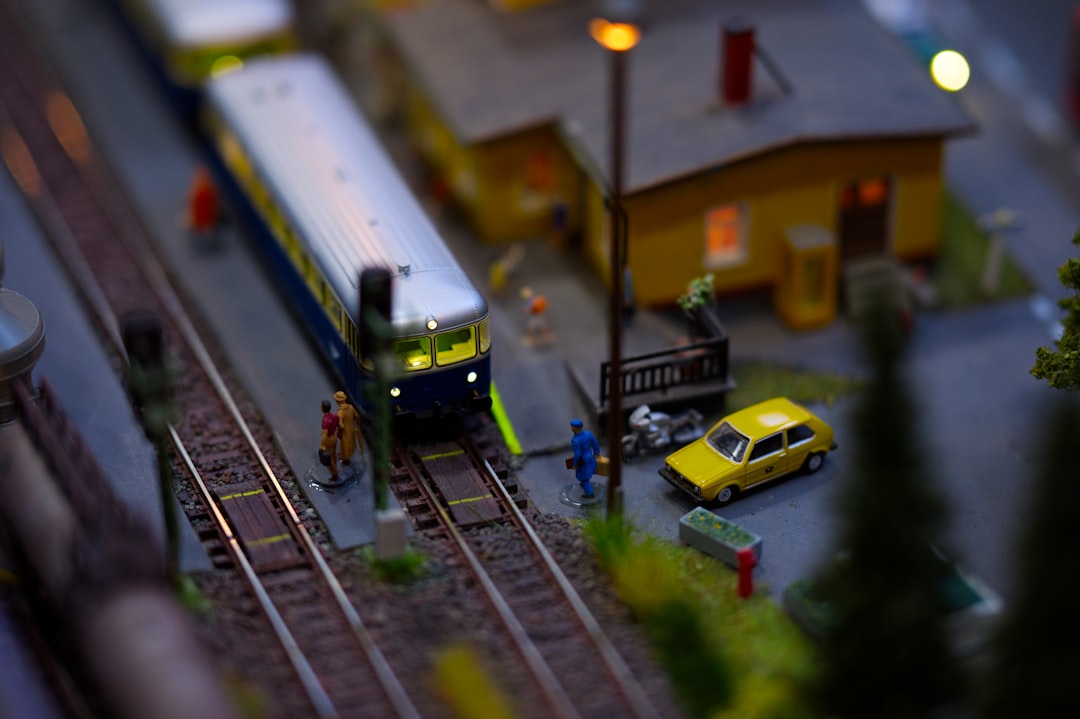
York train meet is twice a year. I've walked that floor enough times to have opinions on this. Sharing them honestly below.
Why Maintenance Is Non-Negotiable
A Lionel locomotive is a mechanical and electrical system packed into a die-cast shell. Motors heat up, grease dries out, and pickup rollers oxidize. Neglect it long enough and a $400 Legacy steamer starts stuttering on curves, losing sound sync, or worse — seizing up mid-run at your holiday display. The good news: basic maintenance takes about 30 minutes, costs almost nothing, and can add decades to a locomotive's life.
This guide covers the full routine — cleaning, lubrication points, motor checks, and electrical contact care — for modern Lionel LionChief and Legacy units as well as older TMCC and conventional locomotives.
---
What You'll Need
Before you crack open a shell, gather your supplies:
- Labelle 107 grease (for gears) and Labelle 108 oil (for axles and bushings) — the standard in the hobby
- Lionel Electrolube or CRC QD Contact Cleaner for electrical contacts
- Isopropyl alcohol (91% or higher) and cotton swabs
- A set of small Phillips and flathead screwdrivers
- Tweezers and a small flashlight
- A lint-free cloth
- A track cleaning eraser (for rollers and wheels)
Avoid WD-40. It's a water displacer, not a lubricant, and it will gum up plastic gears over time.
---
Step 1: Clean the Track and Wheels First
Dirty track is the #1 cause of poor locomotive performance — and it's often mistaken for a motor or electrical problem. Before pulling a shell, run a track cleaning car or wipe your FasTrack or tubular rails with a cloth dampened in isopropyl alcohol.
Next, check the locomotive's drive wheels and traction tires. Use your track cleaning eraser on the wheel treads to remove oxidation. If traction tires (the rubber bands on drive wheels) are cracked or missing, replace them — Lionel sells replacement sets by locomotive series for around $4–8.
---
Step 2: Access the Mechanism
On most modern Lionel steam locomotives, the body shell is held by two to four screws underneath the chassis. Remove them carefully and lift the shell straight up. On diesel units, shells typically unclip from the frame — press in on the sides near the truck bolsters and lift.
Set the shell aside on a soft cloth. You're now looking at the motor, gearboxes, and wiring harness.
---
Step 3: Lubricate the Gearboxes
This is the most critical step. Every Lionel locomotive has a gearbox (often two on larger steamers) connecting the motor to the drive axles. Apply a small amount of Labelle 107 grease — we're talking a pea-sized drop — to the gear teeth using a toothpick or the tip of a straightened paper clip. Too much grease attracts debris and can cause electrical shorts.
Do not grease the motor brushes or commutator.
For axle bearings and side rods on steam locomotives, use a single drop of Labelle 108 oil on each bearing point. On diesels, oil the axle ends where they contact the truck frame.
---
Step 4: Clean Electrical Contacts
Lionel Legacy and LionChief locomotives use pickup rollers on the trucks to draw power from the center rail. These oxidize quickly and cause dropouts in DCS/TMCC signal. Use a cotton swab with contact cleaner or IPA to wipe each roller and its mounting post.
Also clean the motor brush contacts (the small brass clips pressing against the commutator drum). A light pass with a swab keeps resistance low.
For older postwar and TMCC units with E-units (the direction-reversing drum), a single drop of Labelle 108 on the E-unit drum shaft works wonders for stuttering or stuck reverse cycles.
---
Step 5: Inspect the Motor
With the mechanism exposed, spin the flywheel by hand. It should rotate smoothly with slight resistance from the gears. If it grinds or catches, there's likely a foreign object in the gearbox — a piece of scenery foam, a stray thread, or hardened old grease. Use tweezers to clear debris before relubing.
Check the motor brushes on older can-motor units (visible as two small brass clips on the side of the motor). If they're worn down to less than 1/8 inch, it's time for replacements — available through Lionel's parts department or from repair vendors like Train Tender.
---
How Often Should You Service?
| Usage Level | Recommended Interval | |---|---| | Display only / occasional runs | Every 2–3 years | | Regular holiday layout (10–20 hrs/season) | Annually | | Club or continuous operation | Every 15–20 operating hours |
If a locomotive has been in storage for more than five years, service it before running — old grease can congeal into a paste that locks gears.
---
A Word on Legacy and LionChief Electronics
The electronics boards in modern Lionel locomotives are generally sealed and don't need user servicing. What does matter is keeping the board cool — don't leave locomotives running stationary (as in a siding) for extended periods at full voltage. The motor heats up and heat migrates to the board. Lionel's TMCC and Legacy systems are robust, but sustained heat is the enemy of any electronics.
If you experience sound glitches or erratic behavior after cleaning contacts, try a factory reset. On Legacy units, that's accomplished via the CAB-2 remote using the engine's road number — consult your manual for the specific button sequence.
---
The Payoff
A well-maintained Lionel locomotive runs quieter, pulls more cars, and holds its command signal more reliably. More importantly, it holds its value. Collectors and buyers inspect mechanisms closely — a clean gearbox and fresh traction tires signal a cared-for engine and can meaningfully impact resale price. Thirty minutes twice a year is a small investment for machines that can realistically last 50 years or more.
Newsletter
Weekly O-gauge tips & reviews
New reviews, layout ideas, and hobby news — straight to your inbox.