How to Choose the Right Transformer for Your Lionel Layout: Complete 2026 Guide
July 20, 2026
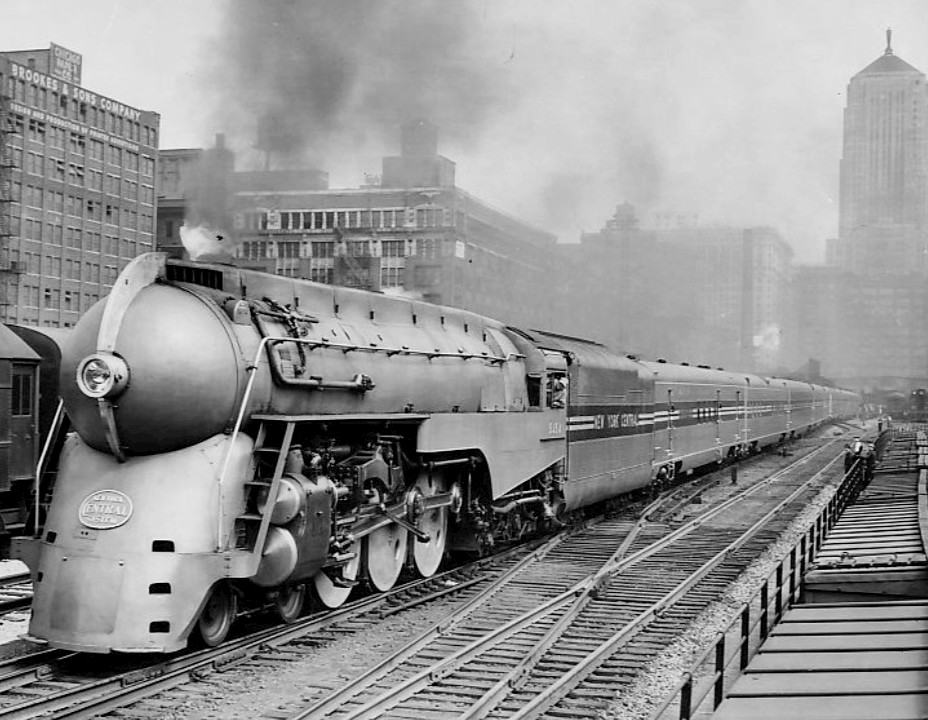
Choosing the right transformer for a Lionel layout is one of the least discussed but most consequential decisions in the O-gauge hobby. The wrong transformer produces stalling locomotives, dim headlights, and weak smoke output. The right transformer delivers clean consistent power that lets every locomotive in your collection run at its best. This vibetrains.com guide walks through how to choose the right transformer for your specific Lionel layout, covering wattage requirements, voltage tolerances, feature considerations, and specific model recommendations.
Quick Answer: Best Transformer for Your Layout
For a starter 4x8 layout with one locomotive: Lionel CW-80 ($75-$110). For a mid-size layout with 2-3 locomotives running concurrently: Lionel ZW-L ($285-$385) or a modern Lionel PowerMax. For a basement-filling layout with multiple concurrent trains, accessories, and LEGACY command control: Lionel ZW-L or MTH Z-4000 ($385-$525) providing 620+ watts of output. For LionChief-only starter operations: the transformer included in the set is adequate — no upgrade needed until you expand.
Understanding Transformer Ratings
Three specifications matter when choosing a Lionel transformer:
Wattage: Total power output the transformer can deliver. More watts means more concurrent locomotives, more accessories, and more sustained load without brownouts. Rough guidance: 40 watts per active locomotive plus 30-50% margin for accessories and command control overhead.
Voltage: Modern Lionel LionChief and LEGACY expect 18V AC. Postwar Lionel runs on the same 18V nominal but can accept slightly higher voltage up to about 21V. Voltage significantly outside 16-20V range causes problems.
Output channels: Basic transformers have one output. Premium transformers have multiple independent outputs that let you power separate track blocks, accessories, and lighting independently.
Wattage Requirements by Layout Type
How much power do you need?
Basic starter layout (one locomotive, one loop): 40-80 watts is adequate. The transformer included in most Lionel starter sets fits this range.
4x8 layout with expansion (one or two locomotives, some accessories): 80-180 watts. Lionel CW-80 sits at the top of this range.
Mid-size layout (2-3 locomotives, moderate accessories, command control): 180-400 watts. Lionel ZW-L or similar premium transformers.
Basement-filling layout (multiple concurrent trains, extensive accessories, layout lighting, LEGACY): 400+ watts. Lionel ZW-L, MTH Z-4000, or multiple transformers combined.
1. Lionel CW-80 ($75-$110)
The Lionel CW-80 is the modern budget standard for Lionel layouts. 80 watts of output on a single channel, integrated circuit breaker, and clean AC power appropriate for LionChief and LionChief Plus 2.0 operation. Simple throttle knob with direction and bell/whistle controls.
What it handles well: one LionChief locomotive on a starter loop, basic accessory power (a few lit buildings, an operating uncoupling track). Limitations: not enough power for multiple concurrent locomotives or extensive accessory buses. If you're building beyond a starter layout, plan for a larger transformer within 6-12 months.
2. Lionel ZW-L ($285-$385)
The Lionel ZW-L is the modern successor to the iconic postwar Lionel ZW transformer. 620 watts total output distributed across four independent output channels, allowing you to power multiple layout blocks, accessories, and lighting circuits independently. Digital display shows voltage and amperage per channel. Compatible with all modern Lionel command systems.
What it handles well: multiple concurrent locomotives, extensive accessory power, complex layouts requiring independent block power. This is the flagship modern Lionel transformer and appropriate for any layout beyond starter size.
Browse Lionel ZW-L on Amazon for current pricing.
3. MTH Z-4000 ($385-$525)
The MTH Z-4000 is the largest single-cabinet transformer available in the O-gauge market. Up to 400 watts on each of two output channels (800 watts total), integrated circuit breakers, and digital voltage/amperage readout. Popular for large layouts running multiple LEGACY-controlled locomotives simultaneously.
Compatible with Lionel, MTH, and third-party O-gauge equipment. The dual-channel approach gives you two completely independent power circuits, which is useful for separating LEGACY-controlled main line from DCS-controlled secondary line.
4. Postwar Lionel ZW (Vintage, $200-$450)
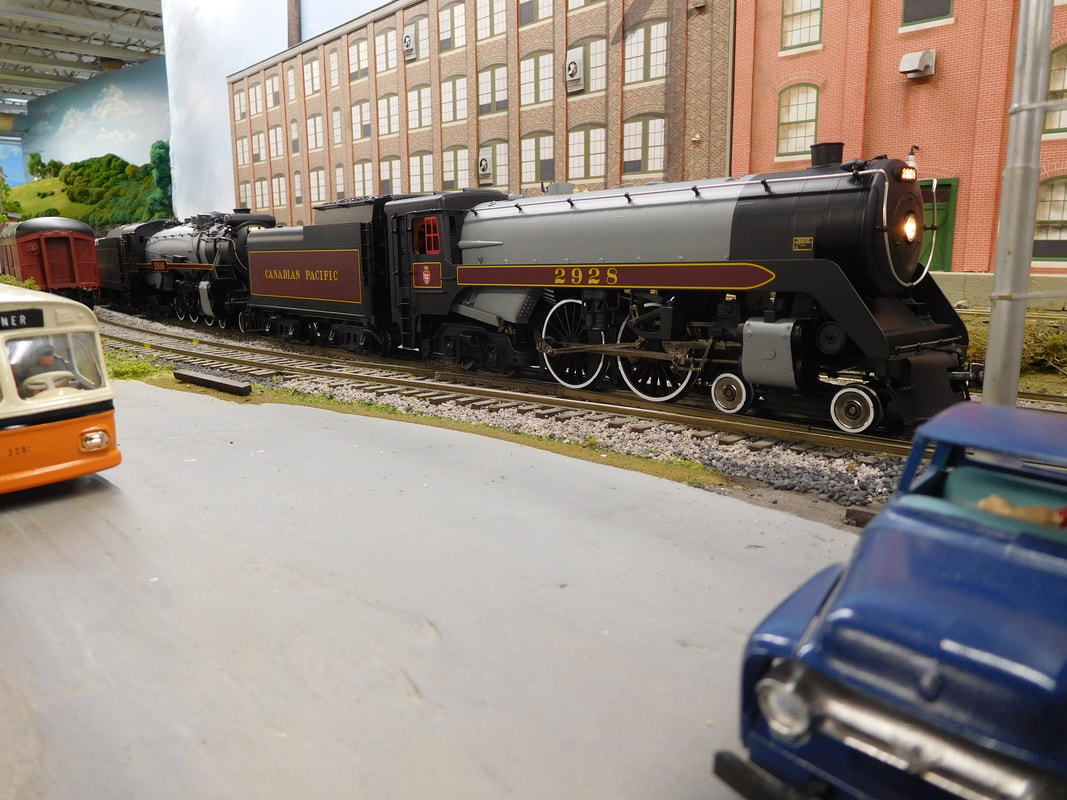
The original Lionel ZW from 1948-1966 remains one of the most desired transformers among collectors and serious operators. 275 watts of output across four independent channels, hand-milled analog controls, and the iconic Lionel design language of the postwar era. Original ZW transformers in good working condition trade at $200-$450.
Advantages: proven durability (60+ year old units still work), independent channel control, and the aesthetic appeal of vintage equipment. Disadvantages: no digital voltage readout, no automatic circuit protection (external circuit breakers recommended), and mechanical throttle can be less precise than modern digital controls.
The postwar ZW is a favorite among purists building postwar-themed layouts. For postwar collecting context, see our postwar Lionel collecting guide.
5. Lionel PowerHouse ($55-$135)
The Lionel PowerHouse is a modern budget alternative appropriate for smaller layouts or as a supplementary power source for accessories. Available in 80W, 135W, and 180W versions. Modern design with electronic voltage regulation.
Appropriate for hobbyists building modest layouts who want more capacity than a basic CW-80 without stepping up to the ZW-L price point.
Special Considerations for LionChief and LEGACY
Modern Lionel command systems add power considerations beyond raw wattage:
LionChief Bluetooth: Draws standard 18V AC track power. Any adequate Lionel transformer works. Command signal is handled by Bluetooth radio between phone and locomotive.
LEGACY: Requires clean power delivery to the LEGACY Command Base. The command base modulates command signals onto the track power. Cheap transformers with dirty power can cause command signal issues. Lionel ZW-L or ZW-L equivalent is recommended for LEGACY operations.
TMCC: Similar to LEGACY — requires clean track power. Postwar ZW works well because it delivers clean AC output.
For LEGACY setup, see our LEGACY command base setup guide.
Multi-Transformer Setups
Large layouts often use multiple transformers for different purposes:
Main track power: Primary transformer for the mainline. Typically the largest capacity unit.
Secondary track power: For a second independent block or a secondary line. Enables running trains on two separate loops without power interference.
Accessory power: Dedicated transformer or transformer channel for buildings, lighting, and operating accessories. Keeps accessory load off track power circuits.
Command base power: LEGACY command bases can be powered by dedicated transformer output. Keeps command signal clean.
Multi-transformer setups require careful wiring — never connect two transformers to the same track section without proper isolation. For wiring guidance, see our O-gauge wiring guide.
Common Transformer Mistakes
Undersizing for your layout: A 40W transformer running two locomotives plus lighted accessories will brown out constantly. Buy for your future layout size, not just current size.
Using power supplies from other hobbies: DC power supplies from computers or other applications can damage Lionel locomotives. Lionel needs AC output at specific voltages.
Skipping circuit protection: Postwar transformers without built-in circuit breakers can damage equipment during shorts. Add external circuit breakers if using older transformers.
Ignoring voltage variation across the layout: Long track runs create voltage drop. Locomotives at the far end of a large layout may not get full voltage. Add feeder wires from the transformer to multiple track points on large layouts.
Frequently Asked Questions
What transformer do I need for a starter Lionel set? The transformer included in most Lionel starter sets is adequate for the initial setup. Upgrade to a Lionel CW-80 or similar 80W transformer when you add a second locomotive or extensive accessories.
How many watts does my Lionel layout need? Rough guidance: 40 watts per active locomotive plus 30-50% margin for accessories. A layout running one locomotive needs 80-100W minimum. A layout running three concurrent locomotives needs 400W+.
Can I use a postwar Lionel ZW with modern LionChief? Yes. Postwar ZW delivers clean 18-20V AC which is what modern LionChief expects. Just monitor voltage carefully — some postwar ZWs put out slightly higher voltage than modern Lionel expects.
Do I need a separate transformer for accessories? For small layouts with few accessories, no. For layouts with many lit buildings, operating accessories, and complex wiring, a dedicated accessory transformer keeps track power clean and separate.
What's the best transformer for a LEGACY-controlled layout? Lionel ZW-L is the recommended premium option. MTH Z-4000 is a strong alternative. Both deliver clean power appropriate for LEGACY command signal transmission.
Final Word
The right transformer is the invisible foundation of a well-running Lionel layout. Start with the CW-80 for basic setups, upgrade to the ZW-L or MTH Z-4000 for serious multi-locomotive operations, and consider the postwar ZW for classic Lionel aesthetic layouts. For related layout electrical topics, see our O-gauge wiring guide and LEGACY setup guide.
Newsletter
Weekly O-gauge tips & reviews
New reviews, layout ideas, and hobby news — straight to your inbox.