Best Postwar Lionel Locomotives for 2026: 10 Top Collector Picks
September 19, 2026
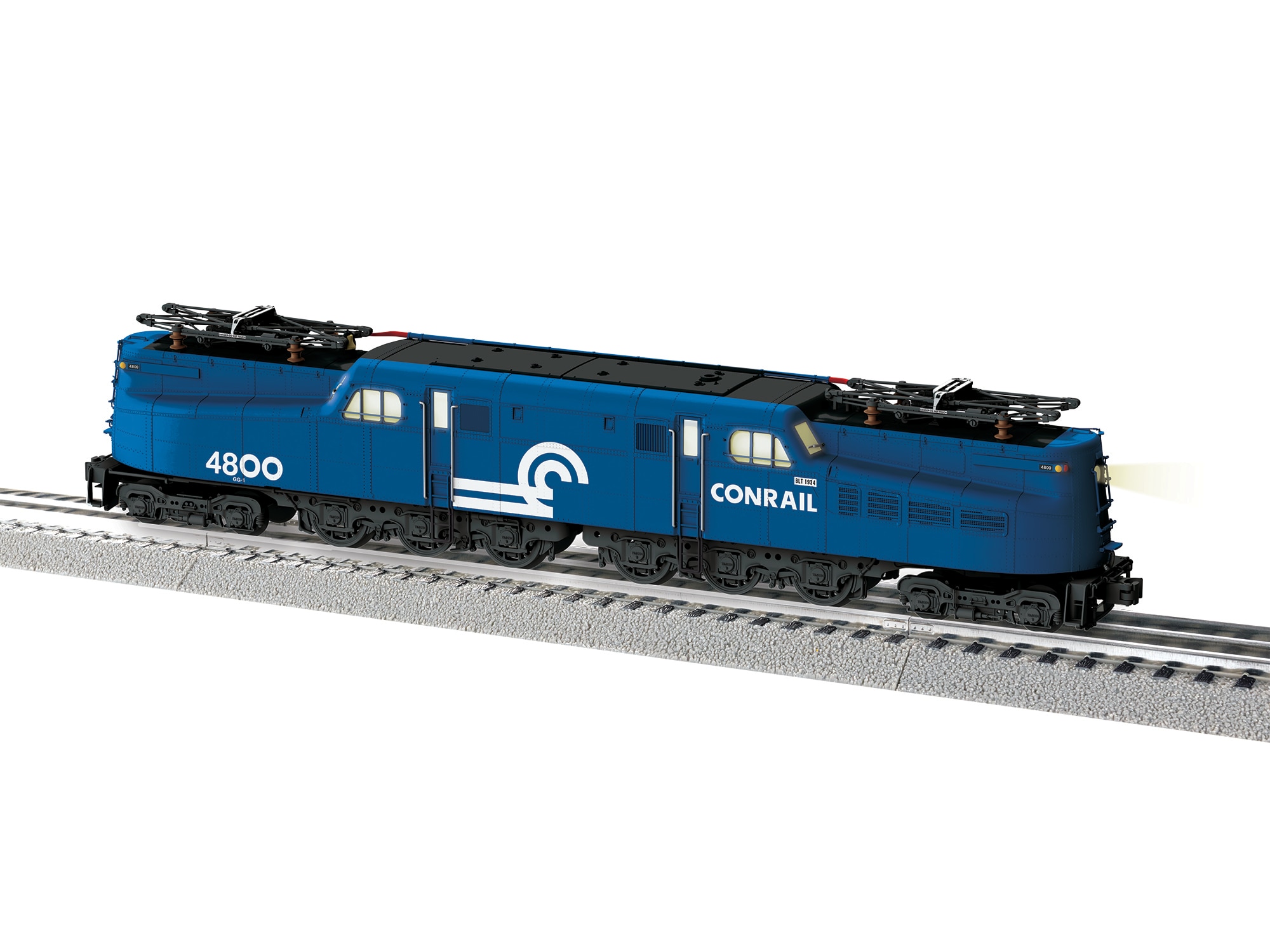
What are the best postwar Lionel locomotives to buy or collect in 2026? The postwar era — Lionel's 1945-1969 golden age — produced the locomotives that defined American toy trains for a generation and continue to anchor the O-gauge collector market today. Postwar Lionel isn't just historically significant. It's a legitimate collectible asset class with real market pricing, established dealer channels, and a well-documented range from accessible daily operators to premium six-figure rarities.
This complete 2026 collector's guide covers the 10 best postwar Lionel locomotives — the pieces that anchor serious collections, define the era, and represent the best combination of historical significance, operational character, and current market value.
Why Postwar Lionel Matters
The postwar era shaped American toy trains in ways no other era can match:
Peak production quality. Lionel invested more in postwar production than at any other point in company history. Die-cast metal construction, elaborate operating accessories, and prototype-accurate paint schemes defined the era.
Cultural saturation. Nearly every American middle-class family in the late 1940s and 1950s owned or wanted Lionel trains. Postwar Lionel is genuine cultural artifact.
Collector market maturity. The postwar collector market has 60+ years of established pricing, authentication processes, and dealer networks. Values are documented; scams are catchable; premium pieces have clear provenance chains.
Appreciation over time. Rare postwar Lionel pieces have appreciated significantly across the past two decades. Common pieces stay stable to slightly appreciating. Neither collapses like fashion or trend-driven categories.
The 10 Best Postwar Lionel Locomotives for 2026
1. Lionel 773 Hudson (1950-1958, 1964-1966)
The definitive postwar Lionel steam locomotive. The 773 Hudson is a scale-detail 4-6-4 Hudson prototype that Lionel produced in multiple production runs across the postwar era. Considered by many the finest single postwar Lionel steam locomotive produced.
Prototype: New York Central J-1e Hudson (4-6-4) — one of the most iconic American passenger steam prototypes.
Current market value: Good condition $600-$1,200. Excellent condition with original box $1,500-$3,000. Mint condition with all accessories $3,500-$6,000+. Specific variations (especially 1966 reissue with correct tender variations) command premium pricing.
Why it matters: Anchor postwar Lionel steam. Held value across decades. Essential postwar collector piece.
2. Lionel 2360 GG1 Electric (1955-1963)
The premier postwar Lionel electric locomotive. The 2360 GG1 is a scale-length Pennsylvania Railroad GG1 in tuscan red with gold striping. Multiple paint scheme variations exist across production years.
Prototype: Pennsylvania Railroad GG1 electric — the definitive American electric locomotive prototype, still the most photographed electric locomotive in American railroading.
Current market value: Good condition $400-$800. Excellent condition with original box $800-$1,600. Rare variations (specific paint schemes, transitional production) command $2,000-$4,000+. Complete original sets with matching passenger consists reach $3,500-$6,500.
Why it matters: Postwar Lionel's premier electric prototype. Historical significance combined with operational character.
3. Lionel 2333 Santa Fe F3 AA Set (1948-1949)
The definitive postwar Lionel diesel and one of Lionel's most iconic products across their entire history. The 2333 Santa Fe F3 AA set in the classic red-and-silver Warbonnet paint scheme is what many people picture when they think "Lionel train."
Prototype: Santa Fe F3 diesel in Warbonnet paint scheme.
Current market value: Good condition AA set $500-$900. Excellent with original boxes $1,000-$2,000. Mint sets with complete original packaging and paperwork $2,500-$4,500+.
Why it matters: Postwar Lionel's most recognizable product. Anchor of Santa Fe-themed postwar collections.
4. Lionel 726 Berkshire (1946-1949)
The premier postwar Lionel steam freight locomotive. The 726 Berkshire is a scale-detail 2-8-4 in the popular Berkshire wheel arrangement, historically important as one of the first postwar Lionel steam products.
Prototype: Berkshire 2-8-4 steam locomotive.
Current market value: Good condition $250-$500. Excellent with original box $500-$1,000. Specific rare variations command higher pricing.
Why it matters: Historically significant as an early postwar steam release. Excellent operator that runs well decades after production.
5. Lionel 736 Berkshire (1950-1968)
The extended-production Lionel Berkshire that succeeded the 726. Longer production run with multiple minor variations across production years.
Current market value: Good condition $200-$450. Excellent condition $450-$900. Late-production variations often command premium pricing.
Why it matters: More accessible postwar Berkshire alternative to the 726. Great operator.
6. Lionel 2338 Milwaukee Road GP7 (1955-1956)
Postwar Lionel diesel in Milwaukee Road orange and black paint. Distinctive road name and prototype-appropriate paint scheme.
Current market value: Good condition $300-$550. Excellent with original box $650-$1,200. Mint condition significantly higher.
Why it matters: Distinctive postwar diesel with strong Milwaukee Road heritage connection.
7. Lionel 2032 Erie Alco AA Set (1952-1954)
Erie Railroad Alco FA-2 diesels in the classic Erie black-and-yellow paint scheme. Historic Northeast railroad prototype.
Current market value: Good condition AA set $250-$500. Excellent with original boxes $500-$900. Mint sets significantly higher.
Why it matters: Postwar Lionel's Alco diesel representation. Distinctive Erie paint scheme.
8. Lionel 224 New York Central (Prewar-Style Boxcab Electric)
Small NYC-themed prewar-style boxcab electric locomotive continued into postwar production. Compact prototype useful for smaller layouts and traditional operators.
Current market value: Good condition $75-$150. Excellent condition $150-$300.
Why it matters: Accessible entry point into postwar Lionel collecting.
9. Lionel 8500 Series Dockside Switchers (1966-1969)
Compact prewar-inspired steam switchers in various road names and paint schemes. Late-postwar production suitable for small layouts and traditional operators.
Current market value: Good condition $100-$250. Excellent condition $250-$450.
Why it matters: Accessible late-postwar production. Historical significance as products of Lionel's declining era.
10. Lionel 682 New York Central 4-6-4 (1954-1955)
Semi-scale NYC Hudson at more accessible pricing than the 773. Represents postwar Lionel steam at mid-market pricing.
Current market value: Good condition $150-$300. Excellent condition $300-$600.
Why it matters: Accessible postwar Hudson alternative to the premium 773.
What Determines Postwar Lionel Value
Five factors determine what a postwar piece is actually worth:
Condition. The single largest value factor. Mint condition with original box + all original accessories + paperwork can command 5-10x the price of the same piece in "played with" condition.
Original box and packaging. Postwar Lionel with correct original box adds 30-50% to value. Rare boxes in strong condition (Type I versus Type II variations) add additional premium.
Specific production variation. Many postwar pieces exist in multiple minor variations across production years. Some variations command significant premium pricing over the standard release.
Provenance. Documented single-owner provenance or auction house provenance adds value. Random dealer inventory typically transacts at lower valuations than provenance-documented pieces.
Current market context. Postwar Lionel has real ongoing market activity through TCA meets, established dealers, and auction houses. Pricing does move with market conditions, but historically the trajectory has been slowly appreciating.
Where to Buy Postwar Lionel
York Train Show: Twice yearly, dominant source for postwar Lionel. Every serious collector attends.
Established Lionel dealers: Charles Ro, Trainland, Nicholas Smith Trains, and specialty postwar dealers maintain consistent postwar inventory.
TCA Regional Meets: Regional TCA meetings across the country carry substantial postwar market activity, often at more accessible pricing than York.
Established auction houses: Stout Auctions, Lloyd Ralston Toys, and specialized regional auctioneers regularly feature significant postwar Lionel offerings.
eBay (careful curation): Substantial postwar inventory. Requires careful attention to seller feedback, condition photography, and authentication verification.
Verifying Authenticity
Postwar Lionel has been reissued by Lionel multiple times across the past 60 years. Modern reissues are legitimate Lionel products but should not be confused with original postwar production. Key authenticity considerations:
Correct manufacturing date markings. Original postwar production has specific date and code stamps that modern reissues don't reproduce.
Correct paint scheme details. Specific paint scheme variations existed only in original production runs. Modern reissues use consistent paint approaches that differ from originals.
Correct box variations. Original postwar boxes have specific type variations across production years that are catalogued in dealer references.
Cross-reference against Greenberg's Guide. The Greenberg's Guide to Lionel Trains series documents authentic postwar variations and is the standard collector reference.
Frequently Asked Questions
How much should a beginner postwar Lionel collector budget?
Entry-level collecting can start at $200-$500 per piece. Serious collector-quality pieces $500-$1,500. Premium pieces (773 Hudson, 2360 GG1, complete Santa Fe F3 sets) $1,500-$5,000+.
What's the most valuable postwar Lionel locomotive?
The 773 Hudson in mint condition with all original accessories and correct paperwork can reach $6,000-$8,000. Rare variations of the 2360 GG1 in specific paint scheme configurations can reach similar valuations.
Should I clean and restore postwar Lionel?
No. Original patina and original finish is what collector market values. Aggressive cleaning or restoration destroys collector value. Basic cleaning of track and wheels for operational use is fine; restoration is not.
Are modern Lionel reissues valuable?
Reissues are legitimate Lionel products with their own collector market, but should not be confused with original postwar production. Value trajectories are different, though reissues can appreciate as they age.
Is postwar Lionel a good investment?
Rare postwar pieces have historically appreciated at rates competitive with broader collectibles markets. Common pieces generally hold value with slow appreciation. Postwar Lionel is a legitimate collectibles category, but investment returns depend on rarity, condition, and market timing like any collectibles category.
Verdict
Postwar Lionel remains the anchor of serious O-gauge collecting. The 10 locomotives above represent the range from historical must-haves (773 Hudson, 2360 GG1, Santa Fe F3 AA) through accessible collector pieces. Whether building a serious collection or just adding character pieces to a modern operating layout, quality postwar Lionel delivers real historical significance and lasting collector value. For related collector guidance, see our Lionel valuation guide, our hard-to-find Lionel sourcing playbook, and our prewar train sets ranking for historical context predating the postwar era.
Newsletter
Weekly O-gauge tips & reviews
New reviews, layout ideas, and hobby news — straight to your inbox.