The Best O-Gauge Layouts We Saw at York Train Show 2026
April 29, 2026
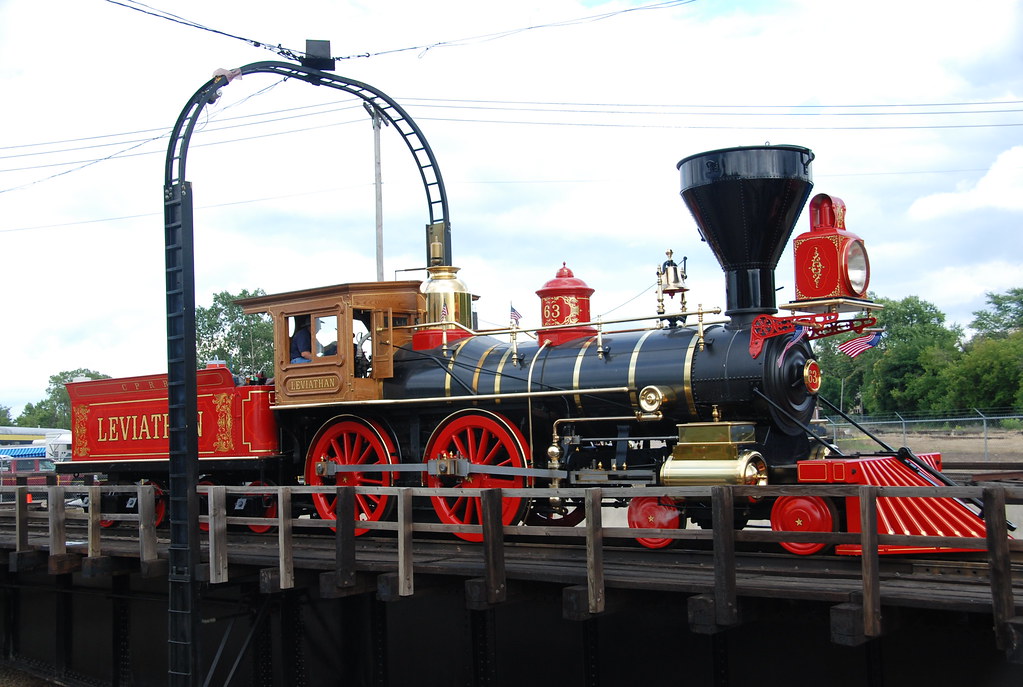
This is one I keep coming back to on my own O-gauge layout — I figured I'd write up what I've learned the hard way. Here's the practical take, not the press-release version.
The Eastern Division TCA meet at the York Fairgrounds is hallowed ground for O-gauge enthusiasts, and the Spring 2026 show did not disappoint. Walking the Orange, Purple, Red, Blue, White, Brown, and Silver halls over two days, I saw enough impressive layouts and modules to fuel a year's worth of basement inspiration. The trend this year was unmistakable: builders are leaning hard into hybrid layouts that mix traditional postwar Lionel charm with the latest Legacy and DCS command control wizardry. Here are the standouts that stopped me in my tracks and the techniques you can steal for your own pike.
The Layouts That Stole the Show
The Mid-Atlantic Hi-Railers brought what was easily the most jaw-dropping modular setup of the weekend. Their new staging yard module finally tied together the mainline runs they've been expanding for the past three years, and watching a Lionel Vision Line Big Boy pull a forty-car manifest through their three-track helix without a single stall was something else. The real trick? They're running aux power feeders every six feet on the outside rail, which is the kind of detail most clubs skimp on until their long-haul runs start browning out under load. If you're running modern command-control diesels with their hungry electronics, take notes.
Over in the Purple Hall, a private builder from Lancaster County displayed a 12x20 sectional layout themed around the Reading's Bethlehem branch in 1955. What made it special wasn't the obvious craftsmanship of the hand-laid Atlas O track or the gorgeous MTH Premier Reading T-1 doing switching duties — it was the lighting. He'd installed a programmable LED ceiling rig that ran a full sunrise-to-sunset cycle in eighteen minutes, and when the streetlights and locomotive headlights kicked in during "dusk," the whole crowd around the layout went quiet. That's the magic moment we're all chasing in this hobby.
Another favorite was a compact 5x9 Lionel Fastrack layout built specifically to demonstrate that you don't need a basement empire to have a knockout pike. The builder, a retired engineer from New Jersey, packed two independent loops, a working operating accessory cluster including the classic 497 coaling station and 282 gantry crane, and a TMCC-controlled passing siding into a footprint that fits in a spare bedroom. He was running a postwar 736 Berkshire alongside a Legacy Hudson, and the contrast between conventional and command operation on the same layout was a great teaching moment for newer hobbyists wandering by.
Trends and Techniques Worth Stealing
If there was one technical trend that dominated York 2026, it was the move toward 3D-printed structures and details. I lost count of how many builders were proudly pointing out custom-printed signal bridges, coaling towers, and yard offices that would've cost a fortune as brass imports a decade ago. One Pittsburgh-area builder showed me his printed PRR position-light signals wired to a TrainController-driven block detection system, and they functioned exactly like the prototype. The barrier to entry on this stuff has collapsed, and the layouts that ignored 3D printing entirely were starting to look dated next to the ones that embraced it.
Sound was the other revelation. Several builders had moved beyond just relying on locomotive speakers and were installing ambient sound zones using small Bluetooth speakers tucked into scenery. Walk past the engine terminal and you hear air compressors and the hiss of brake lines. Stand near the small-town station and you catch a faint announcement and the murmur of a crowd. It adds a layer of immersion that no amount of static detail can replicate, and frankly it's not expensive to implement if you're willing to fiddle with a few cheap speakers and an audio app.
Operationally, I noticed more layouts running car cards and waybills than I've seen in years. The hi-rail crowd has historically leaned toward continuous-run "watch the trains go by" operation, but at least four major club layouts had switching jobs running on JMRI-managed schedules with handheld throttles. It's a trend worth celebrating because it means O-gauge is finally absorbing the operational sophistication that HO scale has enjoyed for decades, without sacrificing the visual punch of three-rail equipment.
York 2026
Newsletter
Weekly O-gauge tips & reviews
New reviews, layout ideas, and hobby news — straight to your inbox.