Best Lionel Transformers and Power Supplies for O-Gauge Layouts in 2026
April 12, 2026
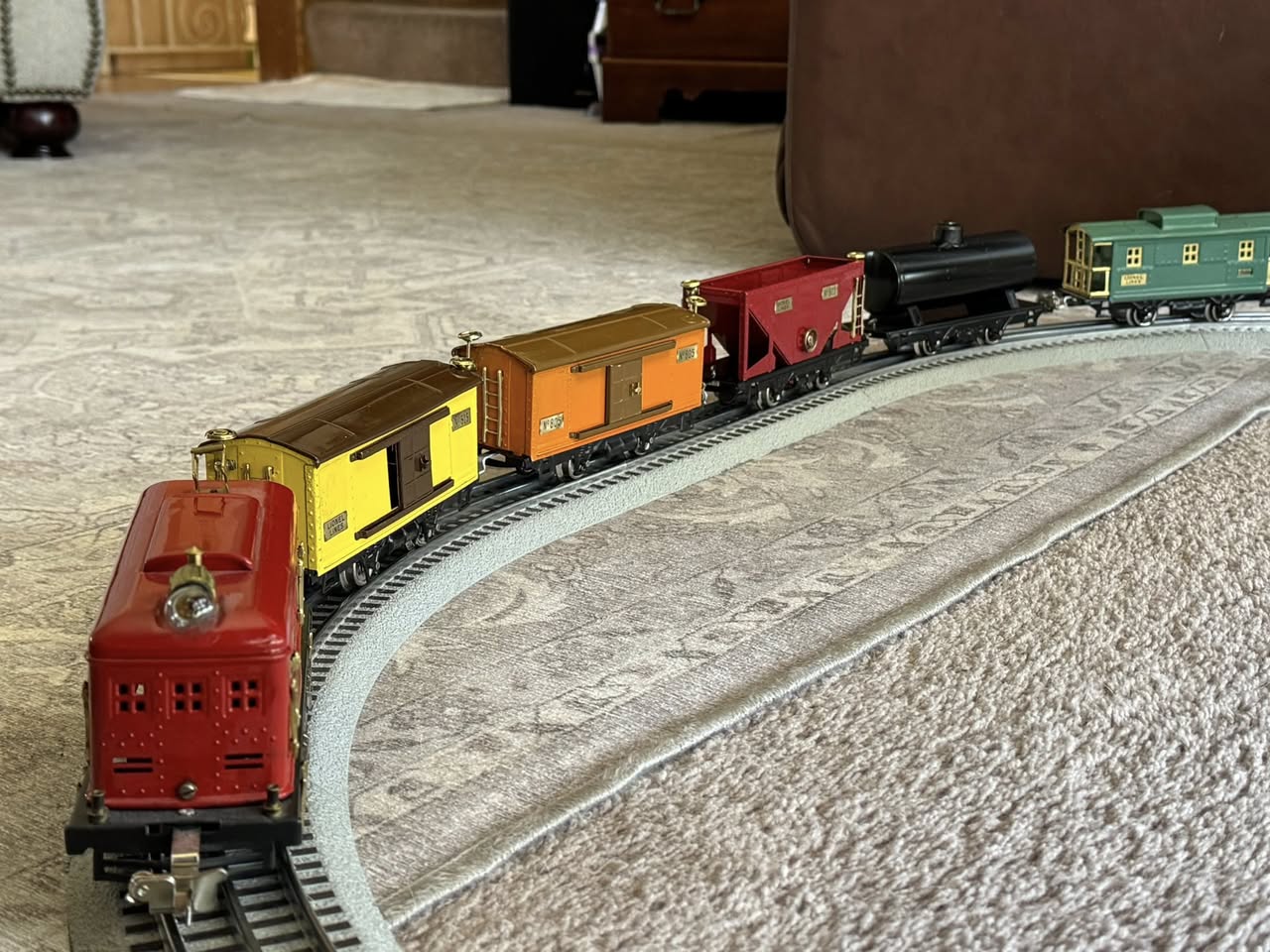
If you're reading this you're probably one Reddit thread or YouTube rabbit hole deep. Here's the version I wish I'd had — practical, specific, no fluff.
I've been running O-gauge for over fifteen years, and the single most expensive lesson I ever learned cost me a brand-new MTH locomotive. I was troubleshooting erratic behavior for two hours before I figured out the problem was my transformer — not the engine. Swapped to a pure sine wave source and it ran perfectly. That was the day I stopped treating the transformer as an afterthought.
If you're reading this, you've probably hit that same wall. Here's what actually matters when choosing O-gauge power in 2026.
Pure Sine Wave vs. Chopped Wave: The Most Important Thing You Need to Know
This is the single most misunderstood concept in O-gauge power. Pure sine wave is what vintage Lionel transformers and modern power bricks produce — everything runs on it. Chopped sine wave is what electronic throttle controllers like the CW-80 produce by slicing the voltage cycle with solid-state components.
Why does it matter? MTH Proto-Sound 1 locomotives require pure sine wave and will run erratically or not at all on chopped power. The Lionel Legacy PowerMaster also explicitly requires pure sine wave input. For LionChief layouts you have flexibility, but for MTH or Legacy setups you need a pure sine wave source.
| Locomotive Type | Pure Sine (PH-180, Z-4000) | Chopped (CW-80) |
|---|---|---|
| Postwar/MPC Lionel | ✅ Excellent | ⚠️ May buzz at low speed |
| MTH Proto-Sound 1 | ✅ Excellent | ❌ Incompatible |
| MTH PS2/PS3 | ✅ Excellent | ⚠️ Poor/erratic |
| Lionel Legacy/TMCC | ✅ Excellent | ❌ PowerMaster incompatible |
| LionChief/Plus | ✅ Excellent | ✅ Good |
The Best O-Gauge Transformers in 2026, Ranked
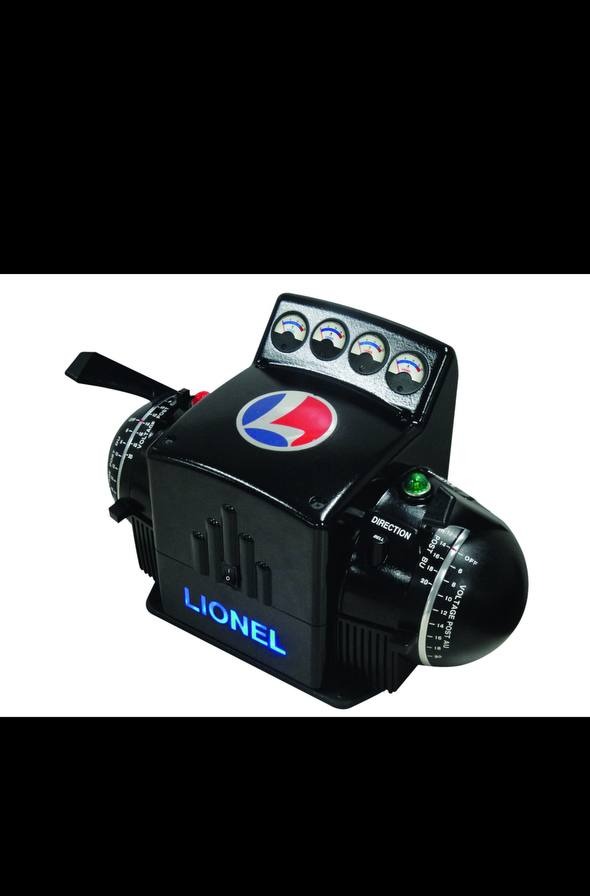
🥇 #1 — Lionel ZW-L 620-Watt Transformer (~$379)
The modern gold standard. Four independent handles, each delivering up to 180 watts of pure sine wave power — 620 watts total. Dynamic power limiting and per-channel circuit protection. If you're running a serious multi-train Legacy layout, this is the right answer. The four independent outputs let you run separate power districts so a short on one track doesn't kill the whole railroad.
→
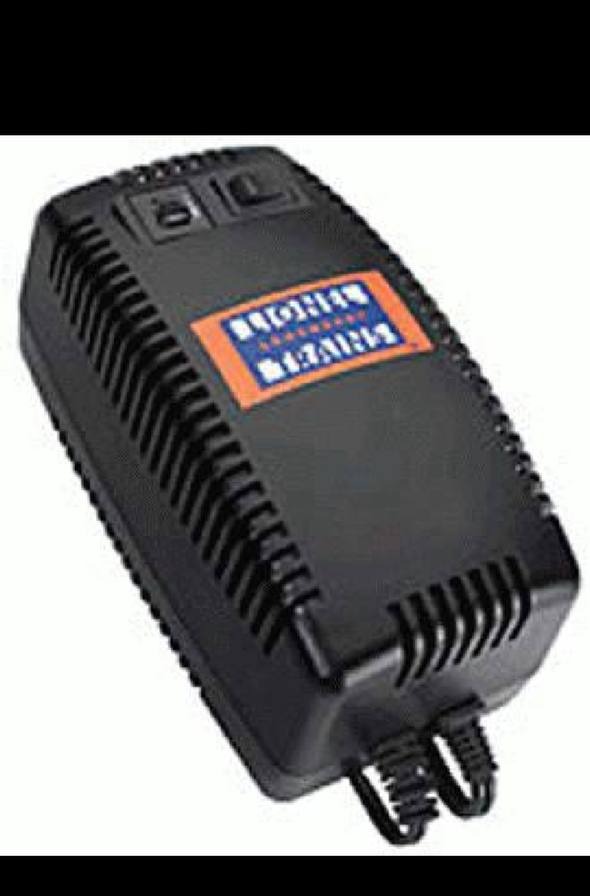
🥈 #2 — Lionel PowerHouse 180-Watt Power Supply (~$89)
The best value pure sine wave brick available. No throttle — pairs with your CAB-3 or Legacy base. Delivers 18 volts at 10 amps. The two-stage circuit breaker is the key feature: time-delay for gradual overloads, millisecond response for dead shorts. Run one per power district on large layouts — when something shorts, only that district goes down.
→
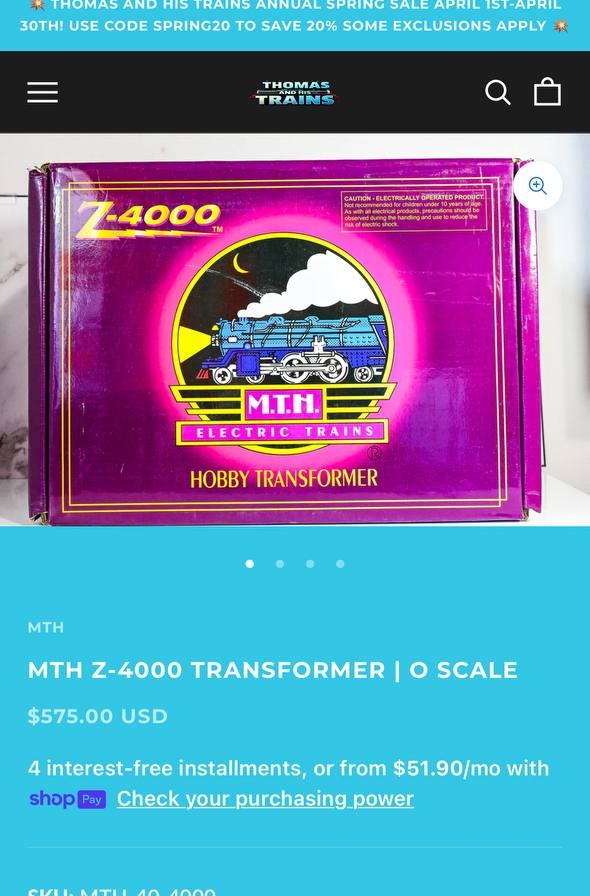
#3 — MTH Z-4000 Transformer (~$299 used)
The MTH equivalent of the ZW-L. Dual handles, 400 watts peak output, pure sine wave. Purpose-built for DCS — controls the DCS signal directly from the throttle handle. If you run MTH equipment, this is the right tool. Hunt for a used one at York.
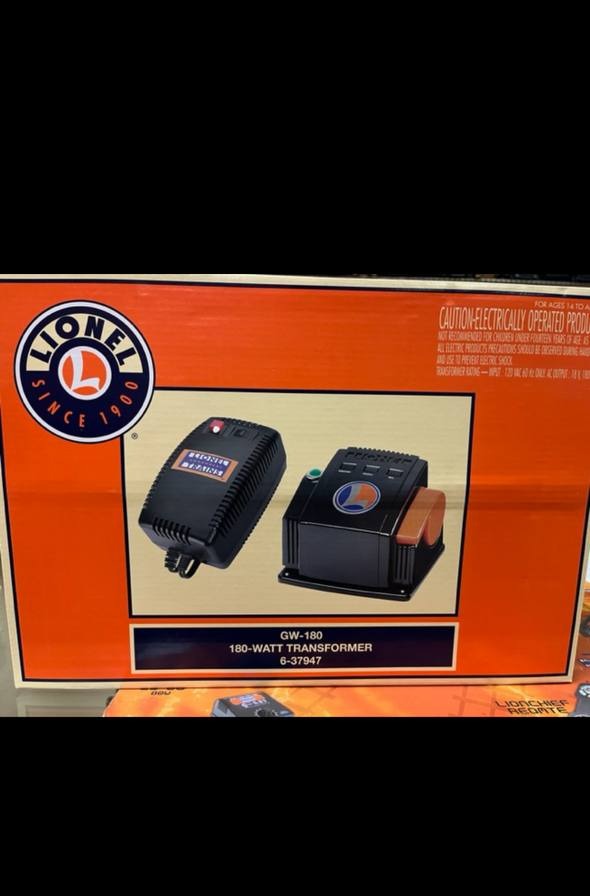
#4 — Lionel GW-180 (~$129)
180-watt PowerHouse brick with a variable throttle in one unit. Key detail most people miss: the brick produces pure sine wave, but the variable throttle converts it to chopped. For Legacy setups, bypass the throttle and wire the brick directly to your PowerMaster.
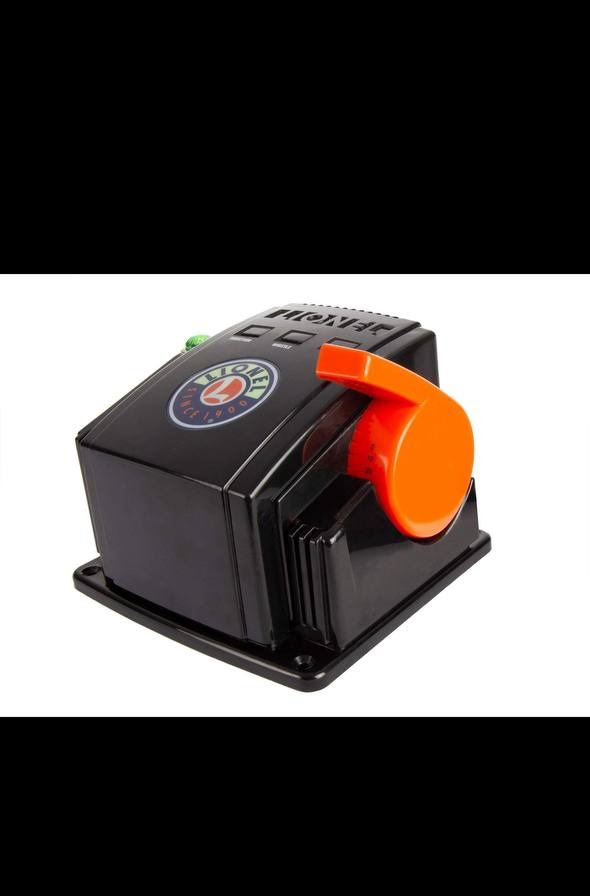
#5 — Lionel CW-80 80-Watt Transformer (~$59)
Classic entry-level throttle transformer. 80 watts, 5 amps. The fold-back current limiter flashes the green light at 5 amps and shuts down after 3 seconds of sustained overload. Fine for one LionChief locomotive. Keep it away from MTH PS1 engines and Legacy PowerMaster setups.
→
#6 — Postwar Lionel ZW (used, ~$80-150)
Four independent throttles, 275 watts, smooth pure sine wave. Still one of the best ever made. Check the cord and carbon brush contacts before buying — a serviced ZW is a joy, a neglected one is a safety hazard.
How Much Wattage Do You Actually Need?
- Single LionChief locomotive: 30-40 watts
- LionChief + sound + accessories: 60-80 watts
- Single Legacy with full sound + smoke: 80-100 watts
- Two Legacy locomotives simultaneously: 150+ watts
Always buy more capacity than you think you need. Undersized power causes mysterious problems that look like locomotive faults — choppy sound, speed inconsistency, unexplained circuit breaker trips. More watts fixes all of it.
Newsletter
Weekly O-gauge tips & reviews
New reviews, layout ideas, and hobby news — straight to your inbox.