What I Learned After 200 Hours Wiring My First O-Gauge Layout
May 6, 2026
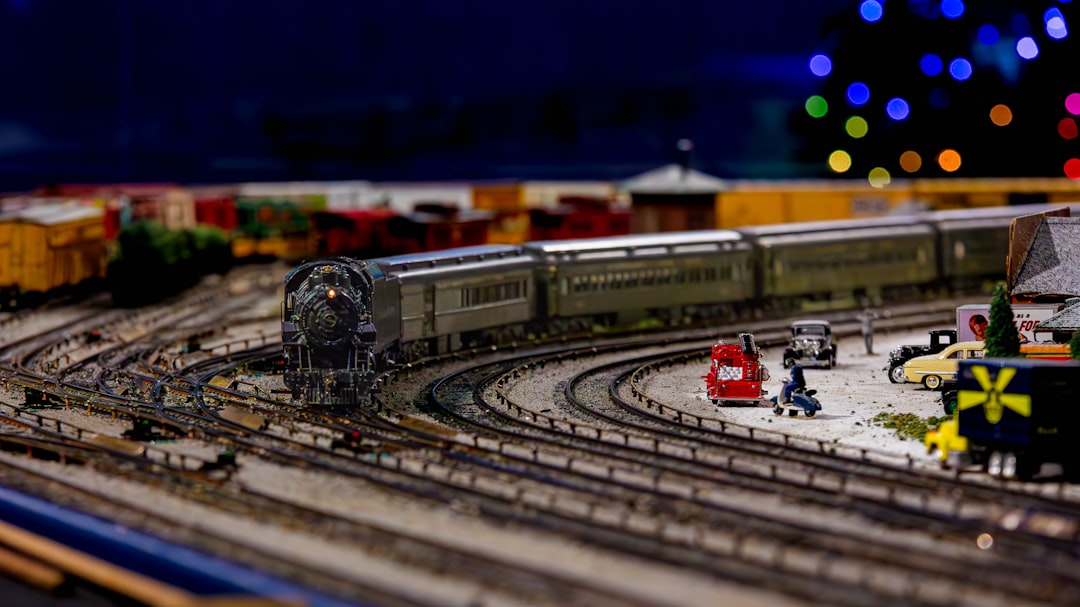
I bought, broke, fixed, or watched a friend wreck most of what's covered here. This is the honest take from someone with a working layout, not a content farm.
I'll be honest — when I started wiring my 12x16 O-gauge layout last winter, I figured a couple of weekends of soldering and I'd be done. I'm now somewhere north of 200 hours into it, the layout finally runs the way I want, and I have a notebook full of mistakes I wish someone had warned me about. This is that warning.
Run Power Like It's an Electrical Service, Not a Train Set
The single biggest mindset shift I had to make was treating layout wiring like house wiring instead of toy-train wiring. The old "two wires from the transformer to the track" approach falls apart the second you've got more than 30 feet of mainline or a couple of switches running off the same circuit.
What actually works: a heavy 14-gauge bus running the length of the layout, with 18-gauge feeders dropped every 6 to 8 feet to the track. That's not overkill. I tried 16-gauge feeders first because the wire was already in my parts bin, and I was chasing voltage drop ghosts for two weekends before I bit the bullet.
Color Code Everything — Then Write It Down
Past me used red and black. Present me uses red, black, blue, yellow, green, and white, and labels every junction with a Brother P-touch. Future me will probably wish I'd added a couple more colors.
You think you'll remember which pair feeds the inner loop and which one feeds the yard ladder. You will not remember. Six months from now you'll be lying on your back under the layout with a multimeter, cursing.
The Common Ground Trap
This one cost me a TMCC base and almost an LCS module before I figured it out. If you're running multiple transformers — say a ZW for the mainline and a CW-80 for accessories — the U posts (the common) must be tied together. If they're not, you can get phantom voltage paths through your engines and signals that will quietly fry electronics over weeks.
The other side of that coin: if you're running command control, all your track-power blocks need to share that same common, but your isolated insulated rail sections for activation track need to stay isolated. Sounds obvious written down. Was not obvious at 11pm with a soldering iron in my hand.
Switches Want Their Own Power
Every guide says this. I ignored it because I wanted to keep things simple. Don't. Powering your O22 or FasTrack switches off the same accessory bus as your lighted buildings means you'll get switches that throw at half-strength when the streetlights are on, and switches that don't throw at all when a passenger car interior light kicks in.
One 14-volt bus for switches, one 12-volt bus for buildings, one 5-volt bus for LED accessories I added later. Three separate transformers feeding them. Yes it's overkill on paper. No I'm never going back.
Test as You Go, Not at the End
I wired the entire mainline before I tested anything. When I powered it up and one of the inner reverse loop sections didn't work, I had no idea where in 80 feet of bus and 14 feeders the problem was. Six hours of bisecting later, I found a single solder joint that hadn't taken.
Now I run a Lionel FasTrack 4-pack of straights with an engine on a wire-and-test cycle: drop the feeder, run the engine across the section, mark the bus drop, move on. Boring. Methodical. Saves you whole evenings.
What I'd Do Differently From Day One
- Buy a real wire stripper before I start, not the all-in-one tool I had.
- Spend the $40 on a Posi-Tap kit instead of soldering every feeder. The next time I rebuild a section I'll thank myself.
- Plan the bus layout on paper with a Sharpie before drilling a single hole.
- Buy more terminal blocks than I think I need. Always more terminal blocks.
- Take photos of every junction before I close up the underside of the table. You will lift that table again. Trust me.
The Honest Bottom Line
Wiring is the part of this hobby that nobody talks about at York. People want to show off their Vision Line locomotives and their hand-laid scenery. Nobody wants to show off their bus wiring. But the bus wiring is what lets the engines run smoothly and the scenery look like it belongs to a working railroad.
If you're starting a new layout, budget twice the time you think you need for wiring, and three times the wire. Whatever you do, don't skip color-coding. And for the love of everything, label your terminal blocks the day you install them.
Newsletter
Weekly O-gauge tips & reviews
New reviews, layout ideas, and hobby news — straight to your inbox.