O-gauge wiringreversing looplayout designFasTrack
How to Install a Reversing Loop on Your O-Gauge Layout Without the Headaches
May 4, 2026
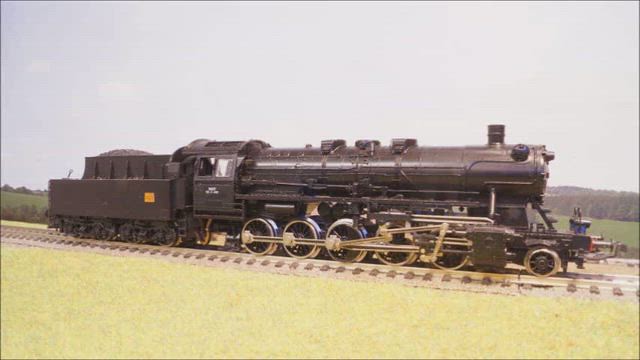
Most of what you'll find on this topic online is rewritten manufacturer copy. This isn't. It's what I've learned running trains on a real basement layout.
## Why Add a Reversing Loop? A reversing loop is one of the most useful track features you can add to an O-gauge layout. It lets you turn an entire train around without backing it up car by car, which means you can run point-to-point operations, simulate yard turnaround moves, or simply send a locomotive back the way it came. For anyone tired of staring at the same train rolling around the same oval, a reversing loop transforms how your layout operates. The good news for O-gauge modelers: unlike DCC reversing loops in HO or N scale, an AC-powered O-gauge loop using three-rail track does not need an auto-reverser module. The two outside rails are both grounded, which means polarity reversal is a non-issue. That makes installation dramatically simpler than the horror stories you may have read about on HO forums. ## Planning the Geometry Before you cut into your layout, work out the geometry. A reversing loop needs enough room for your longest train to fit entirely inside the loop with both turnouts thrown for the loop direction. If your longest consist is a Big Boy pulling 12 freight cars, that is roughly 10 to 12 feet of track. Cramping the loop will leave a car straddling the turnout, which causes shorts and derailments. Minimum curve radius matters too. O-31 will work for shorter steamers and most diesels, but if you run scale Hudsons, GG1s, or anything with extended pilot trucks, plan on O-54 or larger. The Big Boy and Challenger really want O-72 minimum for reliable operation through a loop. Use track planning software like SCARM or RR-Track to confirm your loop closes cleanly. A reversing loop that is even half an inch off will fight you forever. ## The Track Work You need two turnouts: one to enter the loop and one to exit. On most layouts, this is actually a single wye or a pair of switches arranged so the train enters on one route, travels around the loop, and exits on the other route heading the opposite direction. For FasTrack users, Lionel's O-36 and O-48 remote switches work well. Atlas O switches are smoother and more prototypical-looking but cost more. Whatever you pick, stay consistent across the layout so your wiring and control approach matches. Install an insulating pin or insulated joiner on the center rail at both ends of the loop. This electrically isolates the loop from the main line, which you absolutely need if you want independent block control or to prevent two trains from colliding head-on inside the loop. ## Wiring the Loop Here is where O-gauge gets easy. Run a feeder wire from your transformer (or TIU output if you are running DCS) directly to the center rail inside the loop. Tie the outside rails to the common ground bus along with the rest of your layout. That is it for conventional operation. For TMCC and Legacy operation, all track on the layout should be powered from the same transformer phase, so make sure your loop feeder is in phase with the rest of the layout. Out-of-phase track sections create a destructive short the moment a locomotive bridges the gap. Phase your transformers with a test bulb between the two center rails before powering up. For DCS, route the loop through its own TIU channel or share a channel with the connected mainline. Keep wire runs under 12 feet from the TIU to avoid signal degradation. Star wiring beats series wiring every time for DCS reliability. ## Operating Through the Loop The sequence is simple. Throw the entry turnout for the loop. Drive your train fully into the loop until the rear car clears the turnout. Throw the entry turnout back to the main, then throw the exit turnout for the loop. Now your train can roll out heading the opposite direction. With Legacy, you can automate this using route commands. Program a single button to throw both turnouts in sequence, and your reversing move becomes a one-press operation. DCS users can do the same with a Track Interface Module driving the switch motors. ## Common Mistakes to Avoid Do not skip the insulating pins on the center rail. Even if you do not need block isolation today, you will eventually want it. Adding pins after the fact means tearing up ballast and track. Do not use a reversing loop with a too-tight radius. The 027 curves that came in your starter set will not work with anything beyond a small switcher. Do not forget to test the loop with your longest train before you ballast and scenic the area. Find the problems while you can still fix them. A well-built reversing loop is one of those upgrades that fundamentally changes how a layout feels to operate. Take your time on the planning and the wiring will practically take care of itself.Newsletter
Weekly O-gauge tips & reviews
New reviews, layout ideas, and hobby news — straight to your inbox.