How to Choose a Transformer for Your O-Gauge Layout
April 26, 2026
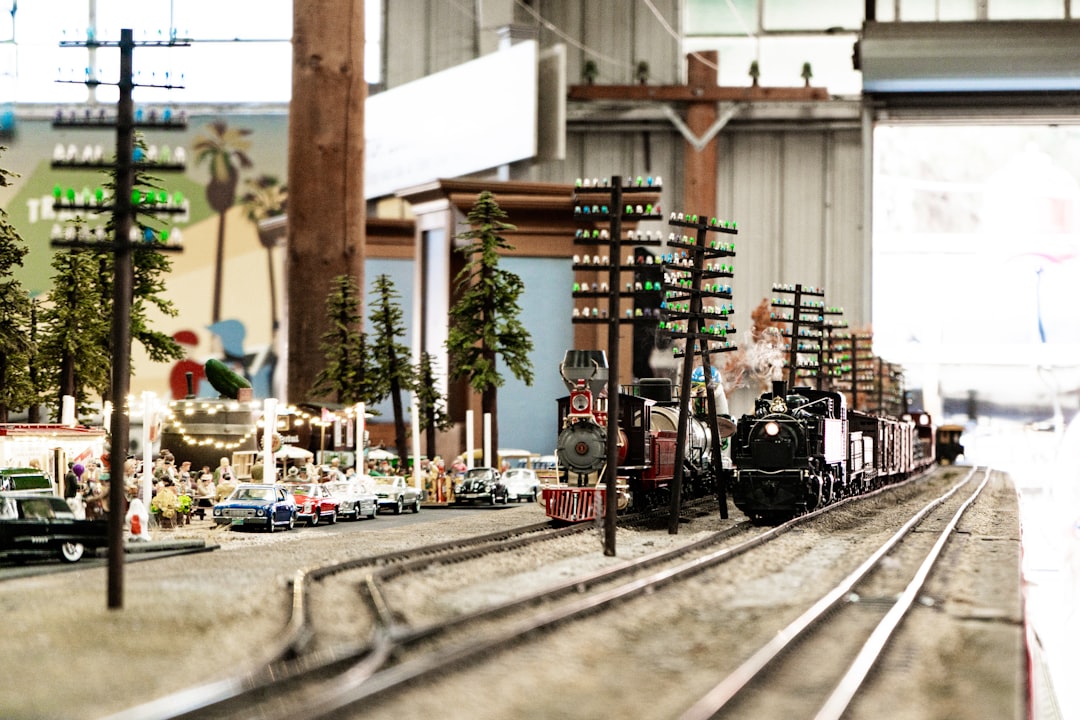
I've been running an O-gauge layout out of my basement for years, and this question comes up every time someone new visits. Here's what I'd actually tell them.
Choosing a transformer for your O-gauge layout is one of the most critical decisions you'll make as a model railroader. The transformer serves as the heart of your electrical system, converting household AC current into the precise DC or AC power that your trains need to operate smoothly and safely. Whether you're building your first layout or expanding an existing one, understanding transformer specifications and capabilities will help you invest wisely and avoid costly mistakes down the road. This comprehensive guide will walk you through everything you need to know to make an informed decision.
The first consideration when selecting an O-gauge transformer is understanding your layout's power requirements. The amount of power you need depends on several factors, including the number of trains you plan to run simultaneously, the size of your layout, and the types of locomotives and accessories you're using. A small starter layout with a single diesel engine might run comfortably on a 25-40 watt transformer, while a larger layout with multiple trains, illuminated buildings, and operating switches could require 100-150 watts or more. Digital command control systems typically demand higher wattage than conventional transformers, so if you're planning to upgrade to DCC in the future, consider purchasing a transformer with more capacity than your current needs. It's always better to have extra power available than to discover midway through your hobby that you're constantly overloading your transformer.
Another essential aspect of transformer selection is understanding the difference between DC and AC power systems. Most modern O-gauge trains from manufacturers like Lionel and MTH operate on DC current, which provides superior speed control and allows for smoother operation of accessories. AC transformers, while more traditional and sometimes preferred by vintage train enthusiasts, offer less precise control but are often simpler and less expensive. Your choice should align with the specifications of your locomotives and the overall direction you want your hobby to take. Before making a purchase, check the documentation for your train engines to see what power type they require. You'll find detailed reviews of various transformer options on vibetrains.com, where we compare different models and their compatibility with popular O-gauge systems.
Safety features should never be overlooked when choosing a transformer. Look for models that include automatic short-circuit protection, which shuts off power if there's an electrical problem on your tracks, preventing damage to both your transformer and your locomotives. Thermal overload protection is equally important, as it prevents the transformer from overheating during extended operation. A quality transformer should have a sturdy metal housing to dissipate heat effectively and clear labeling on all controls and connections. Additionally, verify that any transformer you consider has been UL-listed or certified by another recognized safety organization. These certifications indicate that the device has been tested to meet strict electrical safety standards. When comparing options, you can find highly-rated transformers on Amazon, such as the MTH Z-1000 Transformer, which offers excellent protection features and reliable performance for serious hobbyists.
The physical design and layout of your transformer's control features matter more than you might initially think. A transformer with clearly marked throttle dials, direction switches, and status indicators will make operating your trains more enjoyable and reduce the learning curve for family members who might operate your layout. Some transformers include multiple control stations, allowing different operators to run separate trains independently. Consider where you'll place the transformer in relation to your layout and ensure the cord length is adequate to reach your power source without running cables across walking paths. Transformers with variable speed control provide the most realistic train operation, allowing you to gradually accelerate and decelerate your locomotives rather than jumping to full speed.
Finally, consider the brand reputation and warranty support when making your final decision. Established manufacturers like Lionel, MTH, and Williams have decades of experience building reliable transformers that enthusiasts trust. A good warranty, typically one to three years depending on the manufacturer, provides peace of mind and protection for your investment. Read reviews from other model railroaders to learn about long-term reliability and whether customers have experienced any issues. We've compiled extensive comparisons and reviews of transformers at vibetrains.com, where you can see real-world feedback from experienced hobbyists who've tested these products extensively.
Selecting the right transformer ensures that your O-gauge layout will run reliably for years to come. By carefully evaluating your power needs, understanding your train system's requirements, prioritizing safety features, and choosing a reputable brand, you'll create a solid foundation for your model railroad hobby. Take time to research your options and don't rush into a purchase based solely on price. The right transformer is an investment in countless hours of enjoyment watching your trains run smoothly and realistically around your layout.
Newsletter
Weekly O-gauge tips & reviews
New reviews, layout ideas, and hobby news — straight to your inbox.